
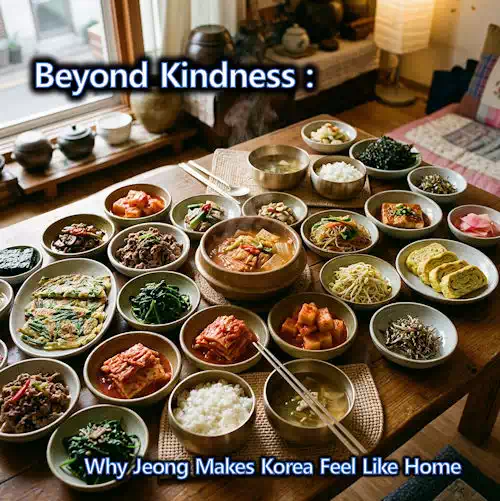
Have you ever wondered why a stranger in Korea might treat you like family? This goes Beyond Kindness; it is the Korean Emotional Bond known as “Jeong.” As a local writer with decades of experience, I will show you how this invisible thread transforms a foreign land into a true home.
My insights draw from a deep understanding of historical roots and the modern social dynamics of contemporary Korea. This perspective ensures you see the authentic heart of our society.
1. What Lies Beyond Kindness in Korean Society?
When you first arrive in Korea, the politeness is visible, but the depth is hidden. Many visitors mistake simple manners for the whole story. However, looking Beyond Kindness is where the true heart of the country resides. This space is occupied by a concept called “Jeong,” an invisible thread connecting people through shared time. It is a unique form of social glue that defies simple translation into English.
1.1. The Difference Between Manners and Jeong
While manners are about social rules, Jeong is about shared humanity. I once saw a bus driver wait an extra minute for an elderly woman running in the rain. He didn’t do it because of a manual; he did it because he felt her struggle. This is a primary example of how life here moves in a direction that is often surprising to outsiders.
1.2. The Weight of Shared Time
Jeong is a slow-growing attachment. It is not a feeling that happens instantly like love at first sight. It is a slow-growing attachment that becomes a deep Korean Emotional Bond over many years. This bond means that once you are in someone’s circle, they take responsibility for your well-being. A simple interaction often feels much warmer than a standard social exchange.
2. The Evolution of the Korean Emotional Bond
To understand this deep connection, you have to look at the history of “Uri” or “Our” culture. Koreans rarely say “my house”; they say “our house.” This collective identity is the foundation of the bond that many expats find so comforting. It creates a sense of safety and belonging that is hard to find elsewhere in the modern world.
2.1. From Farming Villages to High-Rises
In the past, village life required everyone to work together. This necessity created a powerful Korean Emotional Bond that survived the rapid urbanization of the 20th century. Even in a skyscraper, that communal spirit remains a vital part of the city’s pulse. I believe this history is why we feel uneasy when a neighbor is in trouble. This enduring connection is now being showcased on a global scale through initiatives like the new Dongseo Trail, which is drawing international spotlight as Korea’s own version of the Santiago pilgrimage, connecting diverse communities across the peninsula.”
2.2. Resilience Through Hardship
This bond is forged in the fires of shared hardship and celebration. While modern apartments have changed the physical landscape, the desire for this connection remains. It is the reason why people still feel a duty to look out for one another in a fast-paced age. This persistent spirit is what truly takes the culture into a deeper realm.
3. Everyday Moments: Beyond Kindness in Action
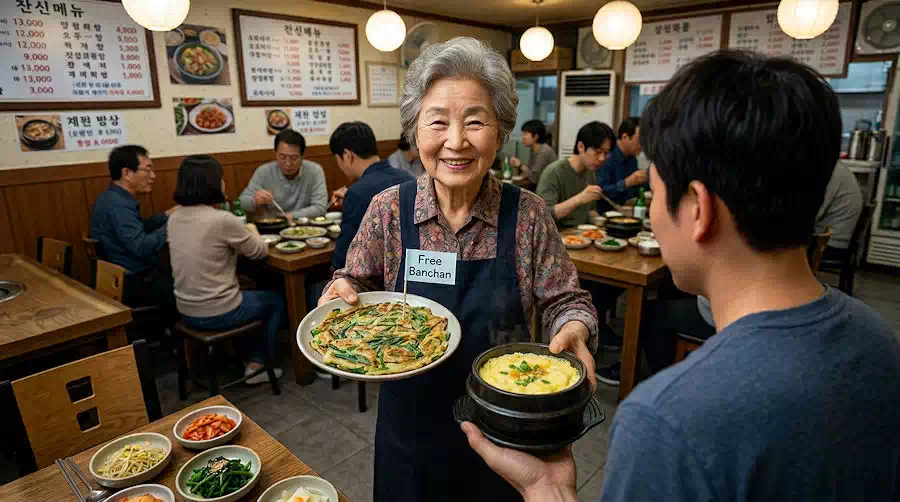
You will see this most clearly in the “Service” culture of local restaurants. When a chef brings out a dish you didn’t order, they aren’t just marketing. They are expressing a desire to connect that goes far Beyond Kindness. It is a gesture that says, “I see you, and I want you to be happy.”
3.1. The “Service” (서비스) Mentality
Receiving “Service” is the most common way foreigners experience Jeong. It is an unprompted gift that strengthens the relationship between the owner and the customer. In my opinion, it is the purest form of non-verbal communication we have in our culinary world.
3.2. Small Neighborhood Gestures
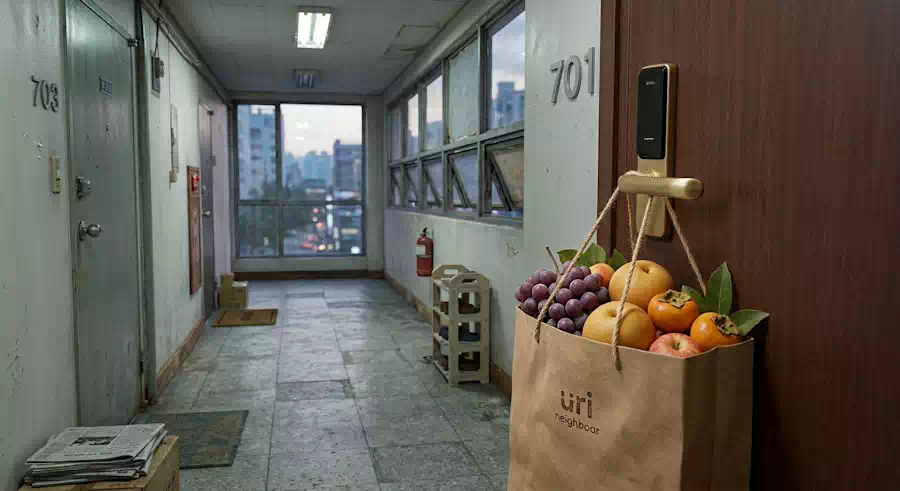
Another example is how elderly neighbors might treat a young foreigner living alone. They might leave a bag of fruit on your doorknob during a holiday. This is a practical application of the Korean Emotional Bond. It turns a cold city into a neighborhood where you feel noticed and cared for daily.
4. Navigating the Challenges of Deep Connections
Is Jeong always easy? Not necessarily. Because it involves a deep Korean Emotional Bond, it can sometimes feel intrusive to those who value strict privacy. Someone might ask personal questions about your age or marital status very quickly. In their mind, they are trying to find where you fit so they can care for you.
4.1. Privacy vs. Inclusion
Westerners often struggle with the lack of boundaries. However, in Korea, boundaries are often seen as barriers to building real intimacy. I often tell my foreign friends that these “nosy” questions are actually a weird way of saying “I want to be your friend.” Understanding this perspective is the key to moving into a real relationship.
4.2. Accepting the “Interference”
If you view these questions as curiosity rather than invasion, you open the door to a much deeper experience. It is the price of entry into a society that refuses to let you stay a stranger. Overcoming this cultural hurdle is the first step toward true integration and finding your place.
5. How to Build Your Own Korean Emotional Bond
If you want to feel truly at home here, you must be willing to participate in the exchange. Small gestures matter more than big ones. Bringing a tiny treat when visiting or accepting a meal invitation are essential steps. These actions help build a lasting bond with those around you.
5.1. The Power of Small Gifts
You don’t need expensive items. A box of vitamin drinks or a bag of oranges is enough to signal that you care. I’ve noticed that even a simple hand-written note can break the ice faster than anything else. It shows that you are ready to move your friendship Beyond Kindness.
5.2. Vulnerability as a Bridge
Don’t be afraid to show your own vulnerability. Sharing a struggle or asking for help is actually a way to show Jeong to others. It allows them to fulfill their role in the relationship. This mutual reliance is what takes a relationship Beyond Kindness and turns it into a family tie.
6. Why This Connection Goes Beyond Kindness
In many cultures, kindness is a transaction or a social requirement. In Korea, it is an extension of the self through the Korean Emotional Bond. When you experience this, it changes how you view the world. You realize that this bond isn’t just about being nice; it’s about a shared responsibility for each other’s happiness.
6.1. Becoming “Uri” (We)
When you move from “I” to “We,” your perspective shifts. You start to see the people around you as part of your extended family. This collective responsibility is so deeply rooted that it leads to unique social behaviors, such as the cultural reasons why Koreans feel compelled to assist strangers in vulnerable situations. To me, this shift is the most beautiful part of being Korean. This is the ultimate goal of understanding the culture.
6.2. Finding a Second Hometown
This is the secret ingredient that makes a foreign country feel like a hometown. It is the warmth that remains after the neon lights fade. When you look Beyond Kindness, you find a community ready to support you. It is a profound shift from being an observer to being part of the “Uri” collective.
7. Future of Tradition: Modern Jeong
The world is changing, and Korea is at the forefront of the high-tech revolution. Yet, the Korean Emotional Bond adapts to new formats. It moves from physical rice cakes to digital gift icons and supportive messages. The medium changes, but the underlying heart of Jeong remains a constant force in modern life.
7.1. Digital Jeong in the 21st Century
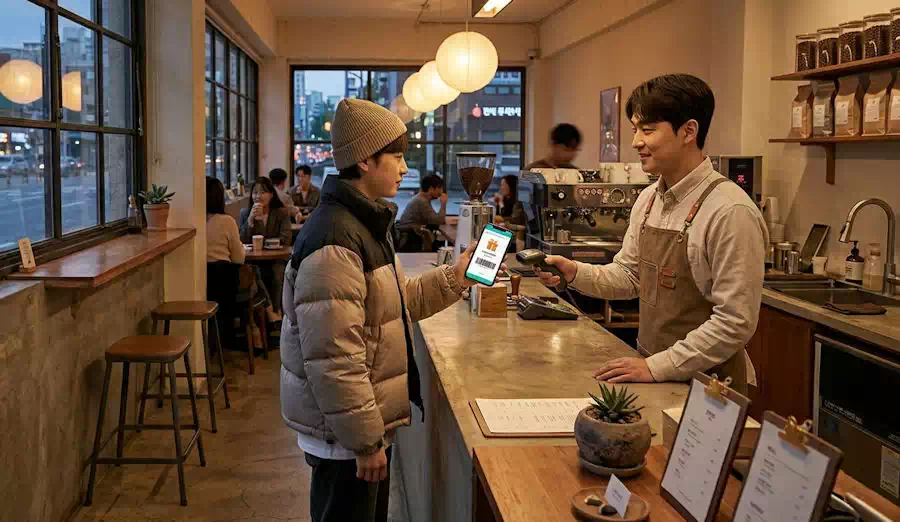
Younger generations use mobile gifts to maintain their connections. I personally love sending coffee coupons to my busy friends; it’s a modern “Service.” Even without physical proximity, the desire to share and care persists. This digital evolution keeps the culture moving Beyond Kindness.
7.2. Gen Z and the Global Connection
Seeing how Gen Z expresses these values shows that the culture is not disappearing. They are finding new ways to build a Korean Emotional Bond in online communities and gaming circles. The need for connection is universal, but the Korean way of fulfilling it remains uniquely deep. It ensures that the soul of the country stays intact.
8. Conclusion: Finding Your Place in the Korean Heart
At its core, Jeong is a promise that you are not alone. It is the force that transforms a temporary stay into a lifelong memory. I believe that once you taste this warmth, you can never truly leave Korea behind. By looking Beyond Kindness, you discover the invisible strings that make this peninsula so vibrant. We hope you find your own moments of connection that make this beautiful land feel exactly like home.