
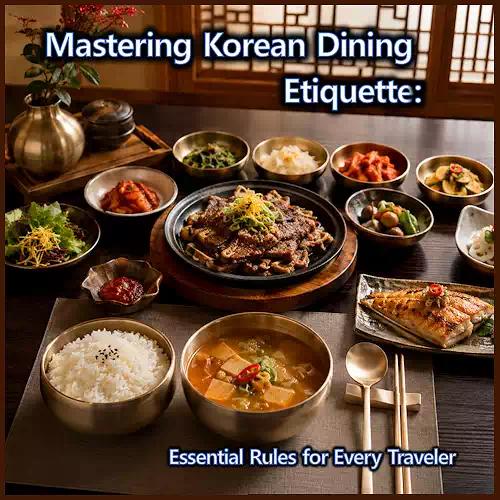
Have you ever wondered why Korean meals feel like a structured social ritual rather than just food? Navigating Korean dining etiquette can feel intimidating for visitors, especially when mastering the nuances of Korean chopstick rules. Understanding these traditions transforms your experience from a simple meal into a genuine connection with local culture.
1. The Philosophy of the Table
In Korea, dining is a communal act that prioritizes harmony and respect. I have observed that these habits reflect deep-rooted Confucian values.
My extensive experience living in Korea ensures these guidelines are authentic and practical for any visitor. To truly understand the heart behind these customs, you can explore the emotional bond in Korean culture which forms the foundation of such warm hospitality. By observing simple cues, you show deep respect for your hosts and the culture.
2. Essential Tools and Techniques
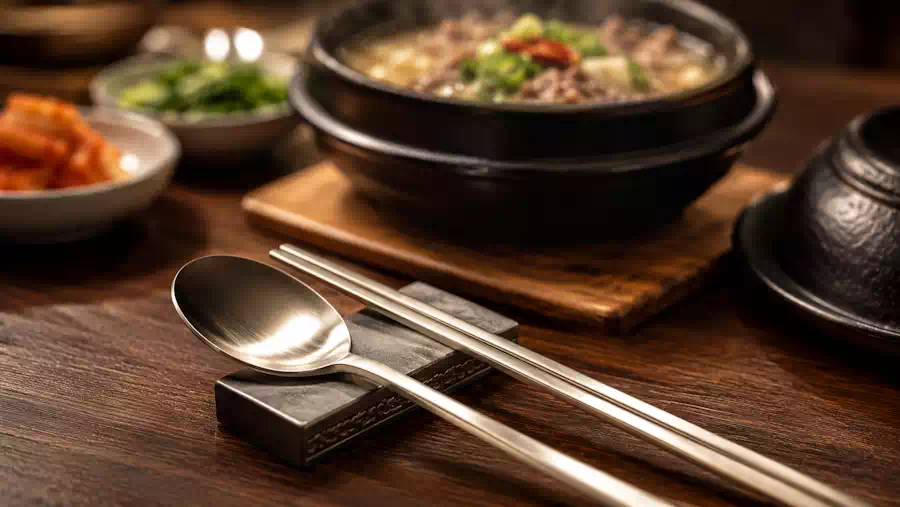
2.1. The Role of the Spoon and Chopsticks
Using a spoon is vital in Korea because most meals include soup or stew. You should use your spoon for liquids and your chopsticks for solid side dishes.
Never hold both tools in one hand at the same time. This keeps your movements clean and respectful throughout the meal.
2.2. Perfecting Korean Chopstick Rules
Many beginners struggle with Korean chopstick rules because they are often made of metal. These tools are thinner than wooden ones, requiring a specific grip for better control.
Avoid tapping your utensils against the bowl, as this is seen as impolite behavior. Always place them on the table when you are not actively eating.
3. Common Social Protocols
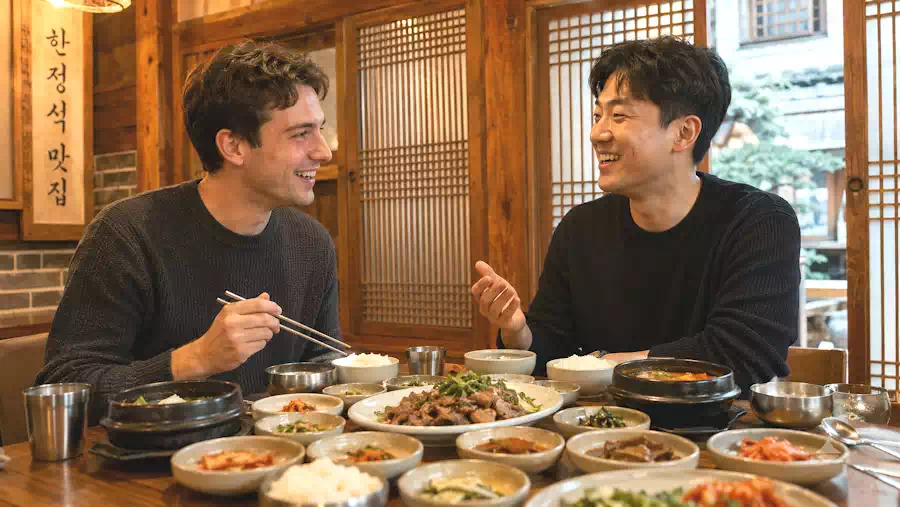
3.1. Respecting Elders
A fundamental part of Korean dining etiquette is waiting for the eldest person at the table to start. You should mirror their pace to maintain a comfortable social atmosphere.
This simple act of patience speaks volumes about your character. It is a small gesture that gains immediate appreciation from your hosts.
3.2. Managing Shared Dishes
Sharing side dishes, known as Banchan, is a core feature of the local culinary experience. Use the provided serving utensils instead of your personal ones when taking food.
This ensures hygiene and shows that you understand the communal nature of the table. Sharing is caring, but doing so properly is the true mark of a polite guest.
4. Avoiding Frequent Mistakes
4.1. The Taboo of Vertical Placement
One of the most important Korean chopstick rules is to never stick them vertically into a bowl of rice. This visual resembles funeral incense rituals and is considered a very bad omen.
If you need a break, rest them horizontally on the side of your bowl or on a rest. This single adjustment prevents accidental offense during your visit.
4.2. Handling Payment and Gratuity
Tipping is not practiced in Korea, so do not leave extra money on the table. Instead, the tradition often involves one person covering the entire bill to foster community.
If you are a guest, a simple “thank you” is the best way to acknowledge their hospitality. Understanding this removes the awkwardness often felt during the final moments of a meal.
5. Expanding Your Cultural Competence
5.1. Engaging in Conversation
While focus is placed on the food, soft conversation is welcomed after everyone has begun eating. Avoid loud or aggressive tones to keep the environment calm and pleasant.
You will find that even basic phrases in Korean will open doors to better interactions. It is a wonderful way to show genuine interest in the local people.
5.2. Understanding Seasonal Habits
Food culture changes with the seasons in Korea, impacting how meals are presented. Embracing these changes is part of mastering Korean dining etiquette as a seasoned traveler.
If you want to dive deeper, you can reference a seasonal Korean culinary calendar to see what ingredients are freshest during your visit. Be open to trying new dishes, as your willingness to explore is highly valued. It shows that you are not just a tourist, but a respectful visitor.
6. Reflecting on the Experience
Mastering these small details brings you closer to the heart of Korean life. Whether it is following Korean chopstick rules or knowing when to speak, these steps ensure you dine with confidence. You are now prepared to enjoy your next meal with the grace of a local. Take these lessons with you, and every table in Korea will welcome you with open arms.