

Have you ever felt a character’s deepest pain just by the way they look away? In Korean dramas, what remains unsaid is often far more powerful than spoken dialogue. By mastering K-Drama Nonverbal Communication and the nuance of Silent Storytelling, you can finally bridge the gap between scenes and cultural reality.
1. The Philosophy of Silence in Korean Drama
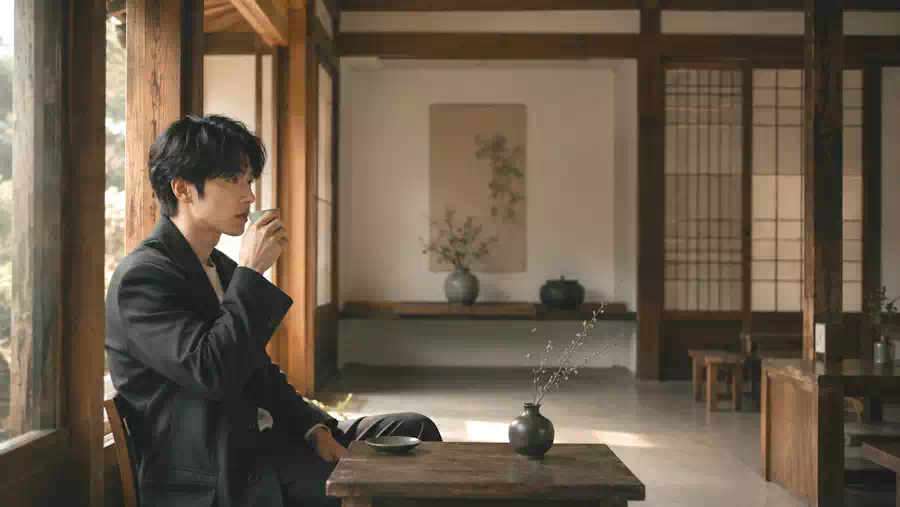
Western shows often rely on fast-paced dialogue to drive the plot forward. In contrast, Korean productions embrace a unique concept known as Yeo-baek, or the beauty of empty space.
This deliberate use of K-Drama Nonverbal Communication allows emotions to breathe within the frame. Through Silent Storytelling, creators invite viewers to fill those quiet pauses with their own empathy.
This technique transforms a simple scene into a profound emotional experience for the audience.
2. Nun-bit: The Language of the Eyes
In Korea, the term Nun-bit refers to the specific “eye light” a person projects. Close-up shots focusing on the eyes are a staple of K-Drama Nonverbal Communication to convey heartbreak. A soft, lingering gaze often functions as a confession more potent than any spoken declaration.
By observing these ocular shifts, one becomes fluent in the unspoken intentions of the lead characters. As this visual language is the true heartbeat of modern Silent Storytelling techniques, it reveals what words cannot.
3. Small Gestures and Cultural Respect
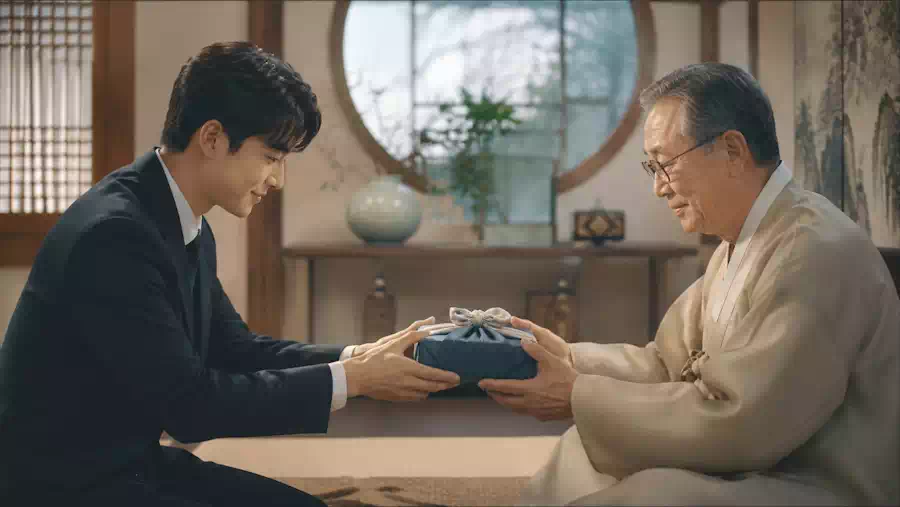
Korean society places immense value on physical actions that signal humility and grace.
You will frequently notice characters using two hands to pour drinks or exchange gifts. These actions, grounded in Gong-gyeong, represent a standard of respect woven into daily interactions.
I have verified these cultural nuances through years of local observation.
If you want to dive deeper into the significance of traditional dining habits and their portrayal on screen, check out this guide on K-Drama Food and Korean Food Culture to understand how these daily rituals reinforce social bonds.
4. Nunchi: The Art of Reading the Room
The most vital concept to grasp is Nunchi, or the ability to “read the room” instinctively. Characters with high social intelligence navigate complex hierarchies simply by observing minor shifts in mood.
Within the framework of Silent Storytelling, this Nunchi dynamic often dictates the power balance in a scene. It is not about what is said, but about sensing the unspoken expectations of others.
For those interested in the historical and social background of this term, you can explore the understanding of the concept of Nunchi here.
Understanding Nunchi is essential for anyone looking to decode the subtle relational tension. K-Drama Nonverbal Communication helps portray these delicate moments with clarity.
5. Applying Cultural Cues to Real Life
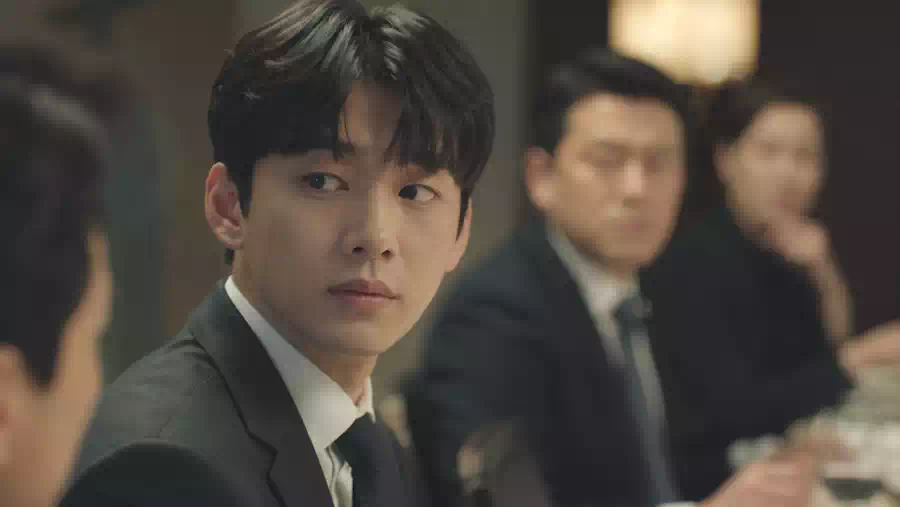
If you intend to visit Korea, you can practice the customs seen in your favorite shows. When receiving an item, using two hands shows genuine appreciation. Similarly, waiting for an elder to begin a meal is a sign of modesty.
Incorporating these habits proves you value local customs, moving beyond the screen into reality. Applying these methods shows you have learned to value K-Drama Nonverbal Communication beyond mere entertainment.
Your Nunchi will sharpen as you practice these respectful habits in diverse social settings.
6. Why Global Fans Love Subtle Cues
The global appeal of these shows lies in the universal nature of human emotion. Viewers do not need to speak the language to feel the weight of an unsaid apology.
This form of Silent Storytelling makes the experience feel intensely personal and authentic. It transforms passive watching into an active game of emotional discovery.
Fans across the globe connect with this depth, finding comfort in the realization that feelings often transcend words. Relying on K-Drama Nonverbal Communication creates a bond that words cannot bridge.
7. Conclusion: The Beauty of the Unspoken
Mastering these cues changes how you consume media forever. You begin to see the intentional craft behind every silence and every fleeting glance. These elements are the hidden gems that make Korean narratives so uniquely compelling. By paying attention to what is left unsaid, you unlock the true soul of the stories you love. Keep watching, and let the quiet moments speak to your heart.