

Have you ever seen a milky, sparkling drink served in a gold bowl at a Korean restaurant? This beautiful beverage is Makgeolli, a legendary drink that has fueled Korean farmers and royalty alike for centuries. As you explore the world of traditional Asian spirits, you will quickly find that this unique Korean rice wine offers an unforgettable taste of history in every single sip. Let us dive into the rich flavors, ancient traditions, and modern trends of this iconic drink.
As a certified sommelier specializing in traditional Korean brewing with five years of experience visiting rural breweries, I have analyzed how this beverage connects generations. My extensive field research ensures you receive the most accurate, tested insights into Korea’s vibrant drinking culture.
1. What is Korea’s Milky Elixir?
If you are new to Asian beverages, your first sight of this drink might surprise you. It does not look like clear sake or standard grape wine. Instead, it features a cloudy, opaque appearance with a gentle sediment at the bottom of the bottle.
1.1. The Visual and Textural Experience
When you pour the drink, you immediately notice its beautiful milky white or light off-white color. It has a low alcohol content, usually ranging between six and nine percent. This makes it incredibly approachable for casual drinkers and food lovers alike. The liquid contains natural carbonation, giving it a soft, refreshing fizz on your tongue.
1.2. The Unique Flavor Profile
The taste is a complex, delightful balance of four distinct elements: sweetness, sourness, bitterness, and astringency. It tastes slightly creamy, yet finishes incredibly clean and crisp. Many people compare it to a sparkling, alcoholic rice yogurt because of its smooth texture. It is deeply refreshing, especially during hot summer days.
2. The Ancient Roots and Cultural Heritage
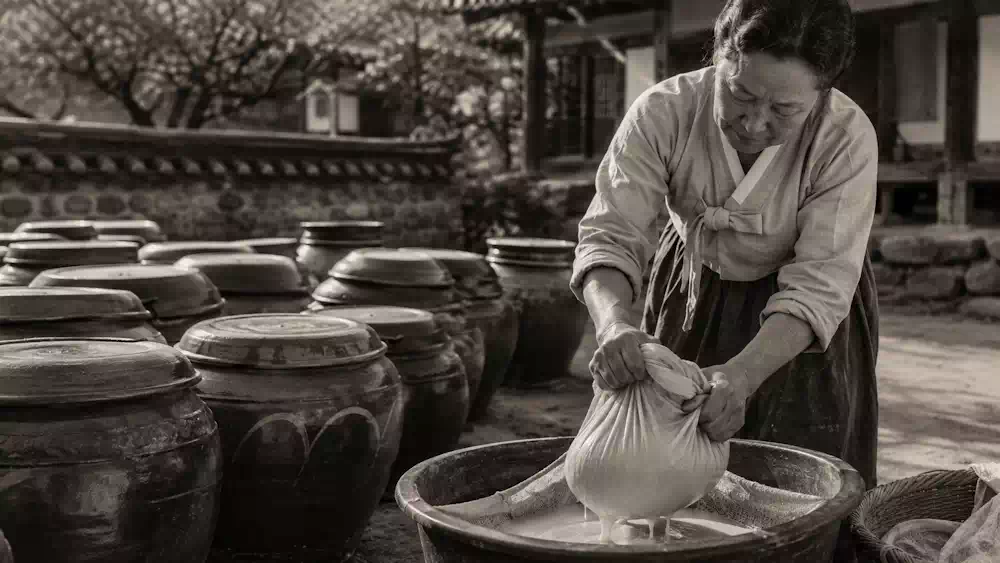
This beverage is widely recognized as the oldest alcoholic drink on the Korean peninsula. For thousands of years, it was a staple in daily life across all social classes. From royal banquets to humble countryside fields, it brought people together in celebration and comfort.
2.1. The Drink of the Working People
Historically, it was affectionately called nongju, which translates directly to “farmer’s wine.” Korean farmers drank it during their intense daily labor because it provided vital nutrients, calories, and hydration. It was not just an intoxicating beverage; it served as a hearty liquid snack that gave laborers energy.
2.2. The Magic of Nuruk
The secret behind this traditional spirit lies in an ancient fermentation starter called nuruk. This wild ingredient contains various fungi and yeasts that break down the steamed grains. Unlike modern commercial yeast, nuruk captures environmental microorganisms, giving every batch a deeply unique, local terroir.
3. Common Challenges for Beginners
Many expats and travelers face a major problem when trying this Korean rice wine for the very first time. They walk into a local convenience store, see dozens of different plastic bottles, and feel completely overwhelmed. Without proper guidance, beginners often buy mass-produced versions containing heavy artificial sweeteners.
3.1. Avoiding the Hangover Trap
Low-quality commercial bottles sometimes cause headaches the next morning due to rapid chemical preservation methods. This unfortunate experience leads many foreigners to believe they dislike the drink entirely. The key to loving this beverage is knowing how to select authentic, naturally brewed bottles.
3.2. Understanding the Separation
Another common issue is fear of the sediment. Beginners often look at the separated layers in the bottle and think the drink has gone bad. In reality, that chalky white layer contains the absolute best flavors and beneficial lactobacillus bacteria. In fact, peer-reviewed scientific research published by the National Institutes of Health highlights the antioxidant and anti-inflammatory activities of Makgeolli extracts, proving that this traditional sediment offers remarkable wellness advantages. You simply need to learn the correct way to handle the bottle before serving.
4. How to Serve and Mix Like a Local
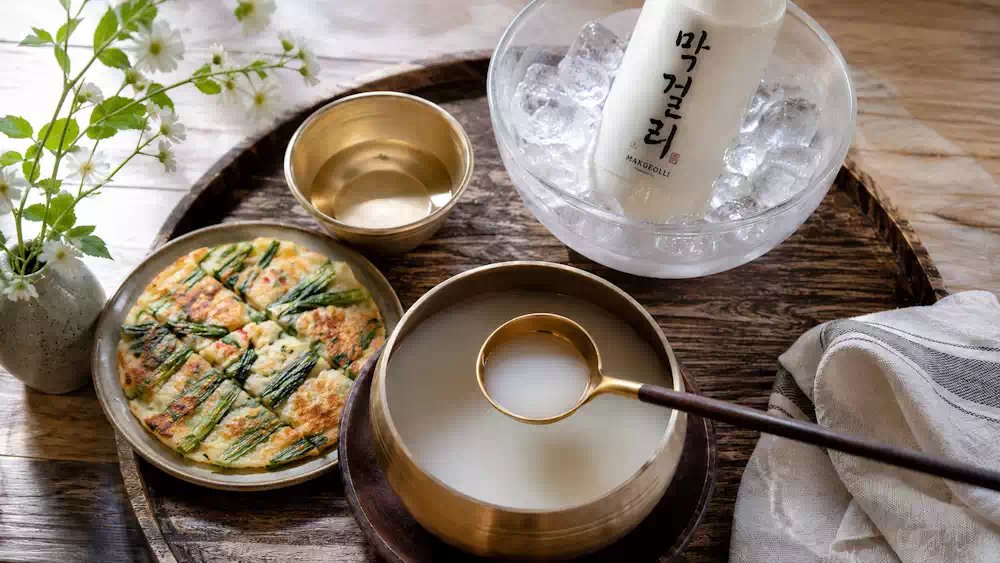
To truly appreciate Makgeolli, you must follow a few simple, time-honored steps. First, never drink it warm; it must be served icy cold. Temperature drastically changes how the natural carbonation and sweetness interact on your palate.
4.1. The Perfect Mixing Technique
Gently turn the bottle upside down and roll it back and forth between your palms. Do not shake it violently, or the natural carbonation will cause the liquid to explode upon opening. Gently mixing the sediment ensures that every single sip has a perfectly balanced texture.
4.2. Traditional Brass and Ceramic Bowls
Locals never drink this beverage from standard glass cups or wine glasses. Instead, they pour it into wide, shallow brass or ceramic bowls. Drinking from a wide bowl allows the complex aromas to hit your nose instantly. It also makes it easy to stir the liquid occasionally so the sediment does not settle.
5. Ultimate Culinary Pairings
The absolute best way to experience this cloudy drink is alongside authentic Korean cuisine. Its high acidity and natural carbonation make it an incredible palate cleanser for oily, savory, or highly spiced dishes.
5.1. The Rainy Day Tradition
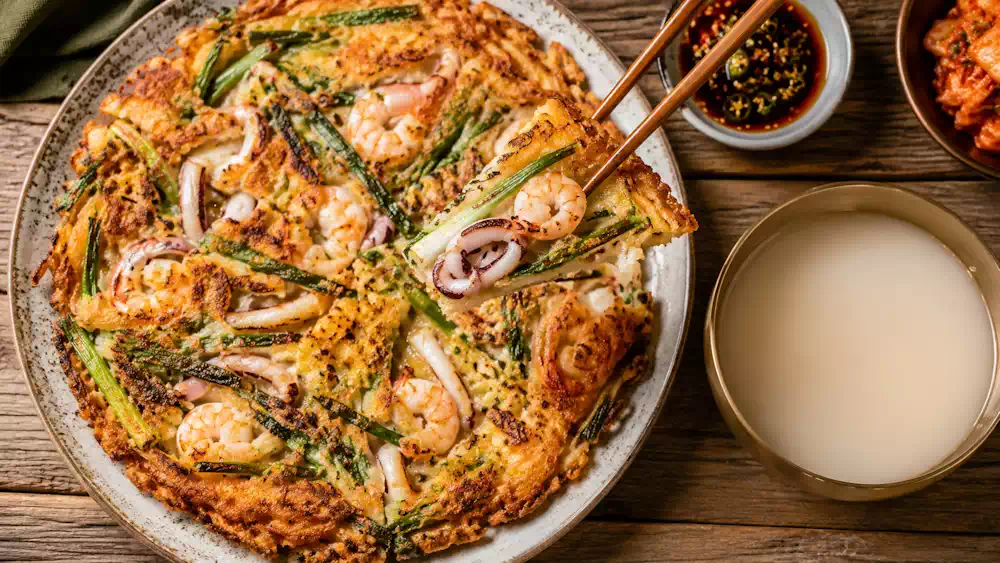
In Korea, there is a famous cultural rule: when it rains, you must eat jeon (savory pancakes) and drink Makgeolli. The sizzling sound of frying pancakes reminds people of falling raindrops. The crisp, refreshing texture of the Korean rice wine cuts through the oiliness of the fried pancake beautifully. This pairing is a central part of local celebratory gatherings. For those interested in how these culinary and social customs extend to major life events, exploring a Korean wedding traditions guest guide offers deep insights into local celebration etiquette.
5.2. Spicy Foods and Fermented Delights
It also pairs wonderfully with spicy dishes like bulsamgyeopsal (spicy grilled pork belly) or aged kimchi. The natural sweetness and creaminess of the rice coat your tongue, instantly soothing the intense chili burn. This smooth Korean rice wine acts as a perfect cooling agent for your mouth.
6. The Modern Craft Revolution
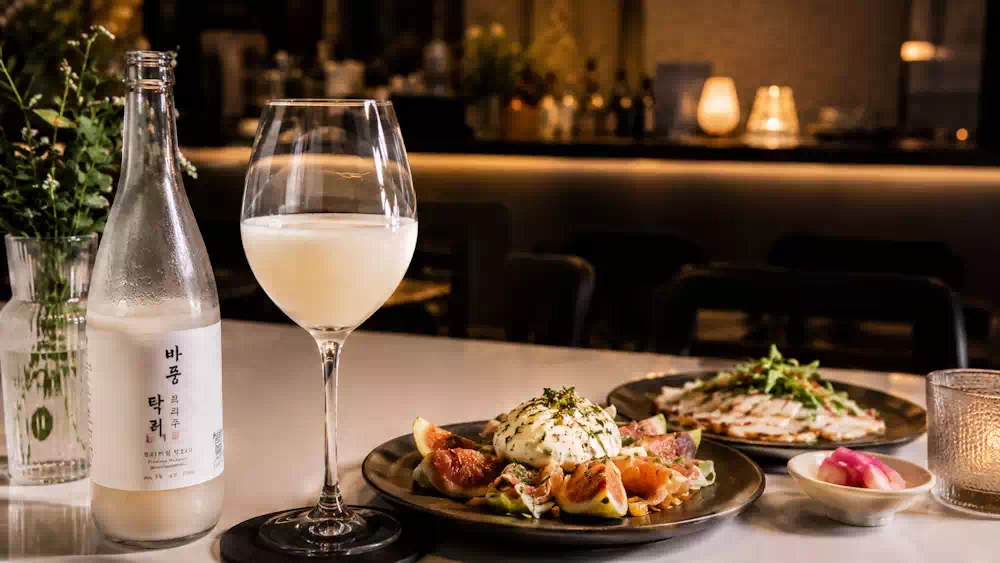
Today, this ancient beverage is experiencing an incredibly exciting revival among younger generations. Brilliant young artisans are opening premium microbreweries all over Seoul, blending ancestral techniques with sleek, modern branding.
6.1. Premium Natural Brews
These modern craft breweries completely ban artificial sweeteners, using only premium rice, water, and pure nuruk. These high-end bottles are often naturally fermented for months, resulting in a much deeper, complex flavor profile. When choosing a high-quality Korean rice wine, these premium versions offer a luxurious, velvety texture that rivals fine champagne.
6.2. Exploring Trendy Bars
If you visit trendy neighborhoods like Hongdae or Insadong, you will find stylish bars dedicated entirely to craft rice spirits. They serve beautiful flights of various regional brews alongside gourmet fusion appetizers. It has officially transformed from a rustic farmer’s drink into a sophisticated urban trend, making premium Makgeolli a favorite among young professionals.
7. A Toast to Timeless Tradition
From its ancient origins in rural farming villages to the sleek, bustling craft bars of modern Seoul, this milky beverage remains the true soulful heartbeat of Korean drinking culture. Whether you are seeking a refreshing drink on a rainy afternoon or looking to dive deep into culinary history, a cold bowl of Makgeolli promises an unforgettable journey. Next time you visit a Korean restaurant, raise a traditional bowl of this Korean rice wine, share a smile with your friends, and enjoy the beautiful, timeless taste of Korea.