
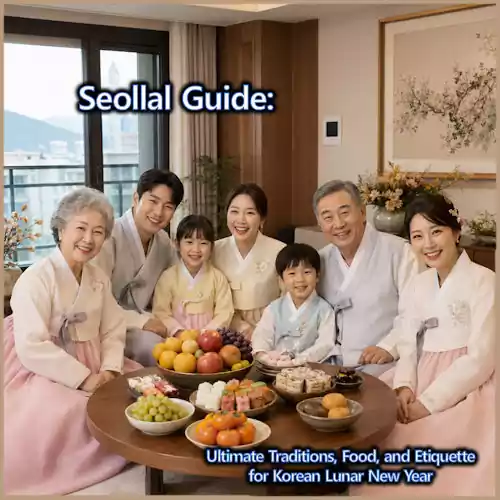
Imagine an entire nation traveling at once to gather with family. This is the reality of Seollal, the traditional Korean Lunar New Year. As a cultural writer who has celebrated this festival annually since early childhood, I love sharing the deep meaning behind these special days. One of the most beautiful moments occurs during Sebae (New Year Bow), where family connections are formally renewed across generations. Let us explore how you can understand and enjoy this massive cultural event.
1. The Cultural Heart of the Great Spring Migration
The Korean Lunar New Year marks the very first day of the lunar calendar cycle. It stands as a profound time for clean slates, fresh starts, and massive family reunions. While many countries across Asia celebrate the spring season, the Korean Lunar New Year places an incredibly heavy cultural emphasis on filial piety and respect for older generations.
1.1. Wearable History and Identity
To mark this special occasion, many people put on traditional clothing called Hanbok. If you want to know more about the evolution of this attire, you can read about what is Hanbok and the differences between modern vs traditional styles to see how it has changed. The vibrant colors and elegant lines of the dress turn every household into a living canvas of history. It is a day when the past and the present meet through shared family spaces.
1.2. Why the Entire Country Moves at Once
This holiday triggers a massive national phenomenon known as the homecoming rush. Millions of people pack the highways and train stations simultaneously to reach their ancestral hometowns. It is a chaotic yet beautiful testament to how deeply Koreans value their heritage and family roots during the Korean Lunar New Year.
2. Sacred Rituals and the Symbolic New Year Feast
The festive morning usually begins early with a quiet, solemn ancestral memorial service called Jesa. Family members prepare a wide variety of specific dishes with great care to offer to their ancestors. This ritual serves as a physical bridge connecting the living with those who came before them.
To explore the detailed visual setups and history of ancestral table settings, you can check out the digital exhibitions provided by the National Folk Museum of Korea.
2.1. The Soup That Makes You Older
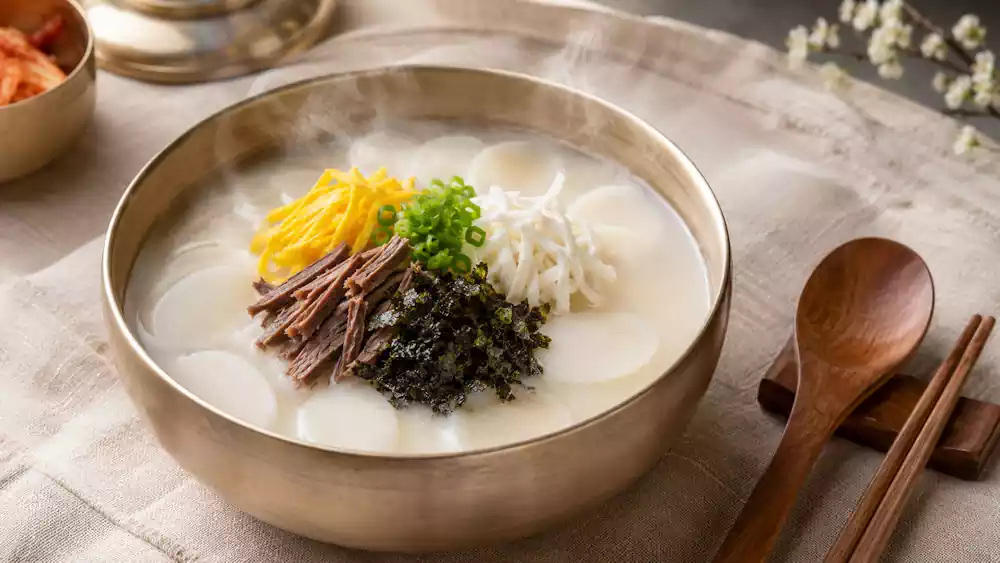
After completing the ancestral ritual, the entire family sits down together to eat Tteokguk. This unique dish consists of thinly sliced rice cakes swimming in a rich, clear broth. In local culture, finishing a hot bowl of this soup symbolizes successfully becoming one year older.
2.2. A Shared Milestone at the Dining Table
People often jokingly ask each other how many bowls of the soup they have consumed just to ask their age. These long-standing customs make the Korean Lunar New Year meal much more than just physical food. It functions as a deeply comforting, shared milestone for the entire extended family.
3. The Art of the Deep Bow and Family Blessings
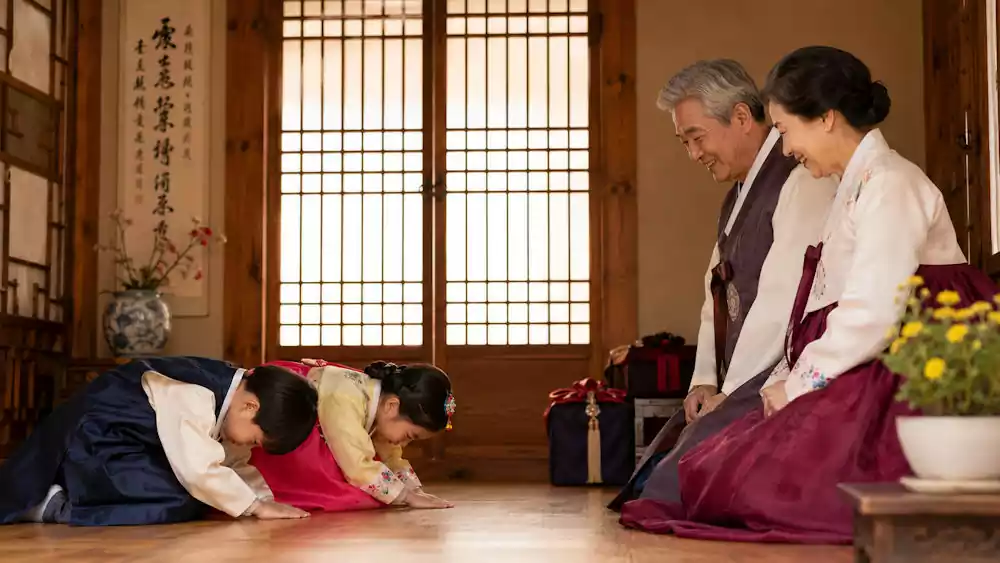
The undisputed highlight of the morning for the younger generation is performing Sebae (New Year Bow). This is not a casual nod, but a formal, full deep bow down to the floor. Younger family members kneel completely to show their deepest respect to the seated family elders.
3.1. Words of Wisdom and Financial Gifts
While performing Sebae (New Year Bow), the children warmly wish the elders a happy and healthy new year. In return, the grateful elders offer heartfelt words of life wisdom to guide them. They also hand out Sebaetdon, which is crisp New Year’s gift money hidden inside beautiful envelopes after the Sebae (New Year Bow) is complete.
3.2. Preserving Harmony and Order
This beautiful financial and emotional exchange remains a massive highlight for children and young adults alike. It naturally teaches younger generations the value of respect and the pure joy of giving back. These practices maintain wonderful hierarchy and sweet harmony within the family structure during the Korean Lunar New Year.
4. Essential Guest Etiquette for Foreigners
Getting invited to a local home during the Korean Lunar New Year is a massive honor, but it can feel slightly intimidating. Many foreigners worry about breaking unspoken cultural rules, like performing Sebae (New Year Bow) incorrectly, or accidentally offending the host elders. Fortunately, mastering a few basic manners will instantly make you a beloved guest.
4.1. The Ultimate Holiday Greeting
First, try your best to memorize the standard, polite spoken holiday greeting. You should say “Saehae bok mani badeuseyo” with a gentle smile and a small bow. This beautiful phrase translates to “Please receive an abundance of wonderful New Year blessings.”
4.2. Selecting the Perfect Holiday Gift
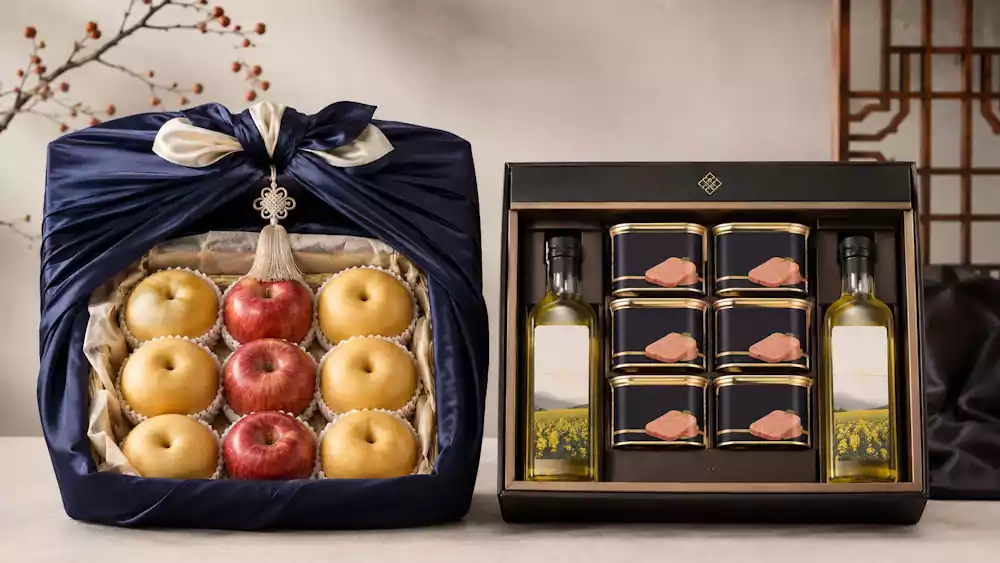
Second, it is considered very polite to bring a nice gift set when visiting. Popular, highly acceptable choices include fresh fruit boxes, high-quality meats, or even practical Spam gift sets. If you are offered traditional food, trying a little bit of everything shows great appreciation for the Korean Lunar New Year host.
5. Modern Shifts and Playful Holiday Activities
Today, these ancient holiday traditions are steadily evolving alongside modern lifestyles. While millions still brave the intense highway traffic jams, others choose to spend the long weekend traveling abroad. This dynamic shift leaves major urban spaces feeling incredibly peaceful.
5.1. Discovering Quiet Cities
In big metropolitan hubs like Seoul, the busy streets become unusually quiet as local shops close down. If you decide to stay in the city, you can easily visit historic palaces or public parks. These venues host lively cultural events open to everyone during the Korean Lunar New Year.
5.2. Flying Sticks and Board Games
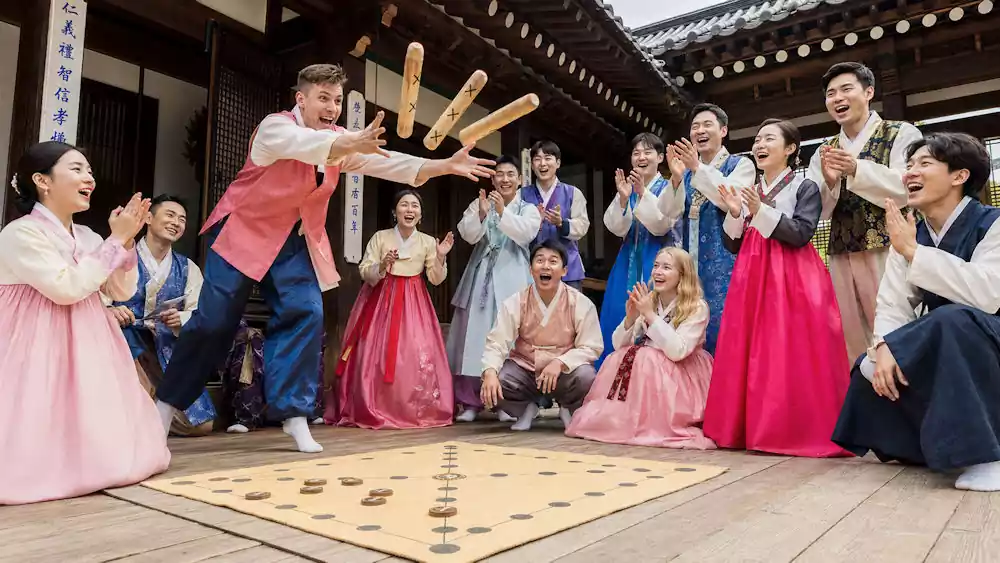
During these public festivals, you can watch people play Yutnori, a highly competitive traditional board game. The game involves throwing four large wooden sticks into the air to determine how pieces move. Even as modern lifestyles change, the core spirit remains focused on pure togetherness.
6. A Living Bridge Between Generations
Ultimately, the Korean Lunar New Year functions as much more than just a welcome day off from work. It remains a beautiful, living blend of deep respect, delicious regional food, and unconditional family love. The holiday offers a unique, timeless way to start the fresh calendar year with a full heart.