
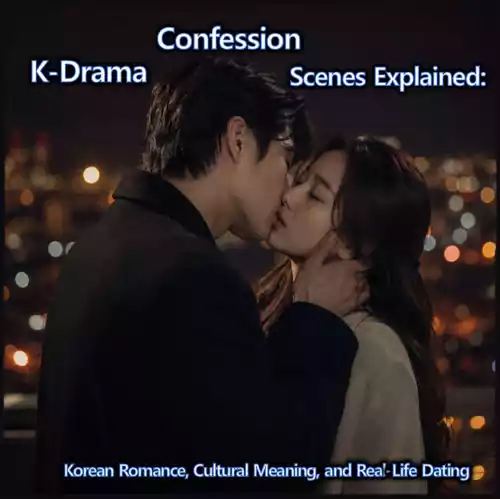
K-Drama confession scenes look simple, but every pause, meal, and late-night walk carries deep meaning. This guide connects those moments to Korean romance culture and real dating expectations. Having studied Korean drama storytelling and everyday dating language while living in Seoul, this analysis separates screenwriting conventions from the actual behavior you may encounter in daily life.
1. Why K-Drama Confession Scenes Feel So Intense
1.1. The Art of Waiting
Why do couples take so long to say what seems entirely obvious? In Korean romance, a shared umbrella, a saved seat, or a memorized coffee order often carries far more emotional weight than direct flirting.
1.2. The Slow-Burn Build-Up
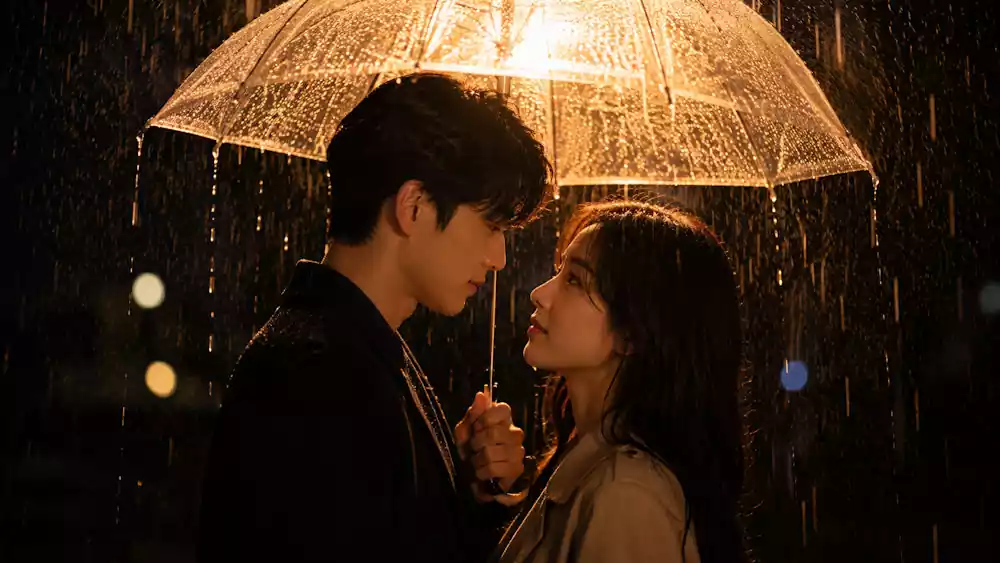
K-Drama confession scenes usually arrive only after the characters’ trust has been thoroughly tested. This reflects a broader truth in Korean dating culture, where people often express feelings through quiet, consistent actions long before they ever put them into words.
2. Reading Between the Lines: Words and Silence
2.1. More Than “I Like You”
In English subtitles, a confession can sometimes sound overly simple or restrained. However, the tone and sentence endings (honorifics) reveal a world of closeness, hesitation, and social dynamics.
Korean speech levels communicate respect, intimacy, and social distance, as shown in this guide to Korean honorifics and speech levels. Often, a simple, casual invitation to eat together again carries the weight of a major romantic confession.
2.2. The Power of Silence
K-Drama confession scenes use deliberate pauses to build emotional tension. Because Korean culture places significant weight on context, atmosphere, and the unspoken, what is not said during these pauses often holds the real answer. To dive deeper into these subtle cues, you can read more about the hidden meanings behind K-drama silence and gestures.
3. The Cultural Context Behind the Romance
3.1. Social Pressure and Timing
Age differences, workplace hierarchies, school ties, and mutual friends heavily complicate a confession. This social pressure makes timing feel just as critical as the attraction itself, as characters navigate how their relationship will affect their social circles.
3.2. Actions Before Labels
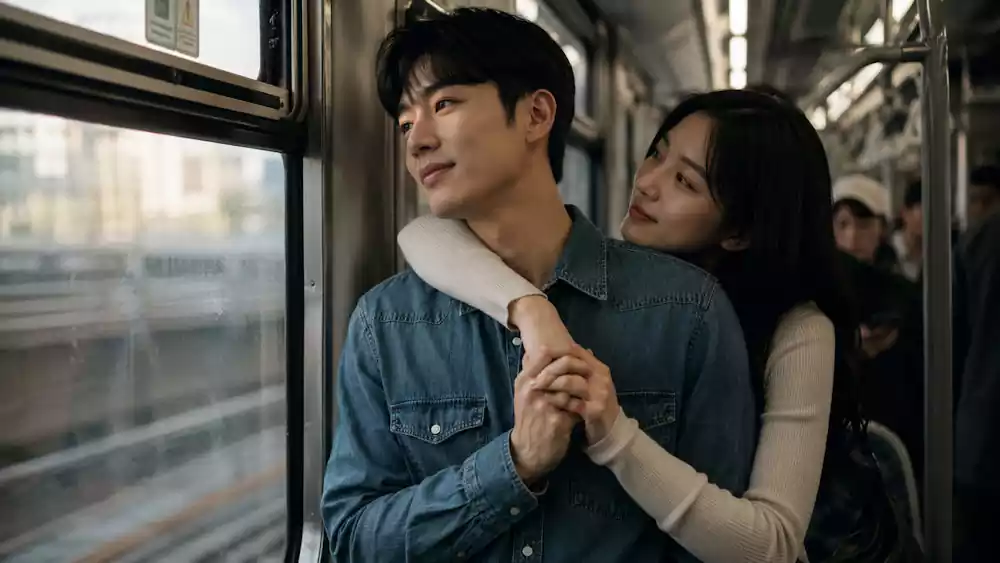
In Korea, acts of care almost always precede formal dating. Bringing medicine when the other is sick, waiting to make sure they get a safe ride home, or noticing a missed meal serve as emotional proof. A K-Drama confession scene is simply the moment where words finally confirm what repeated behavior has already proven.
4. Screen Romance vs. Real-Life Dating
4.1. What Dramas Exaggerate
Real-life dating rarely involves perfect timing, swelling background music, or polished speeches in the pouring rain. Projecting drama-level expectations onto everyday interactions can lead to false assumptions and missed connections.
4.2. What Holds True
Even so, K-Dramas do mirror real Korean dating habits. Many people still test mutual interest through frequent messaging (KakaoTalk) and practical, everyday helpfulness. While consistency is highly valued in Korean romance, actual interest must eventually be confirmed with clear, direct communication.
5. How to Read a Confession Scene Clearly
5.1. Follow the Pattern
Do not focus solely on the climax of the final sentence. Instead, look at the accumulation of small gestures: who initiated contact, who made sacrifices, and who offered consistent care. This makes K-Drama confession scenes far easier to understand without over-interpreting a single dramatic moment.
5.2. Separate Culture From Character
Not every shy character represents the whole of Korea, and not every bold, direct confession is a rejection of tradition. Korean romance culture is a useful lens for understanding the subtext, not a rigid rulebook that every individual follows.
6. Final Thoughts
K-Drama confession scenes resonate so deeply because the confession is rarely the actual beginning. Rather, it is the tipping point where months of unspoken, accumulated care finally become undeniable. Once you learn to notice the silence, the timing, and the social stakes, the romance feels less like a mystery and much more beautifully human.