
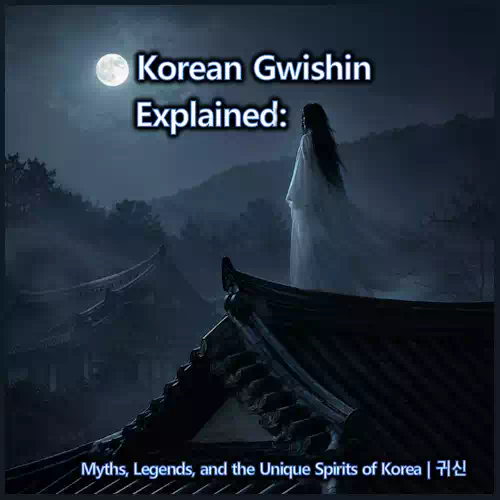
Have you ever wondered why Asian horror movies leave such a lingering sense of chill? The secret lies in the concept of Korean Gwishin, spirits driven by intense human emotion. As a Korean culture writer raised on authentic folklore, I explore these haunting myths using ancestral texts and regional oral histories. Understanding these traditions reveals the vital role of Han in Korean Culture, where unreleased grief forms supernatural lore.
1. Why Are Korean Spirits So Uniquely Terrifying?
1.1. The Emotional Origin of Haunting
Western ghosts often haunt locations due to curses, but traditional Korean ghosts are driven purely by tragic history. They are not random monsters; they are souls tied to deep unfulfilled desires.
1.2. The Weight of Grief and Grudge
To truly understand Korean Gwishin, one must grasp the complex emotional landscape of historical tragedy. Sudden death or extreme injustice prevents a soul from crossing smoothly into the afterlife.
2. The Power of Emotional Sorrow in Folk Legends
2.1. The Core Concept of Tragic Grief
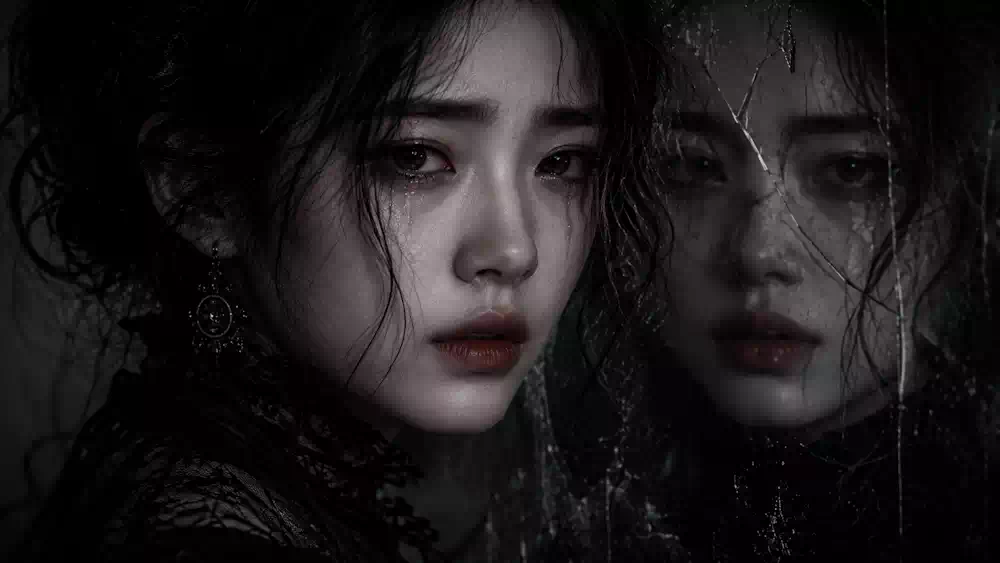
The profound sense of sorrow known as Han in Korean Culture serves as the primary energy source for ghost stories. It represents an overwhelming melancholy caused by injustice that was never corrected during life.
2.2. Transforming Sorrow into Supernatural Force
When this sorrow remains unresolved, a human spirit transforms into a restless wandering entity. These spirits remain tied to the living world, desperately seeking someone to listen to their forgotten pain.
3. Classic Spectral Encounters and Cultural Types
3.1. The Iconic Virgin Ghost
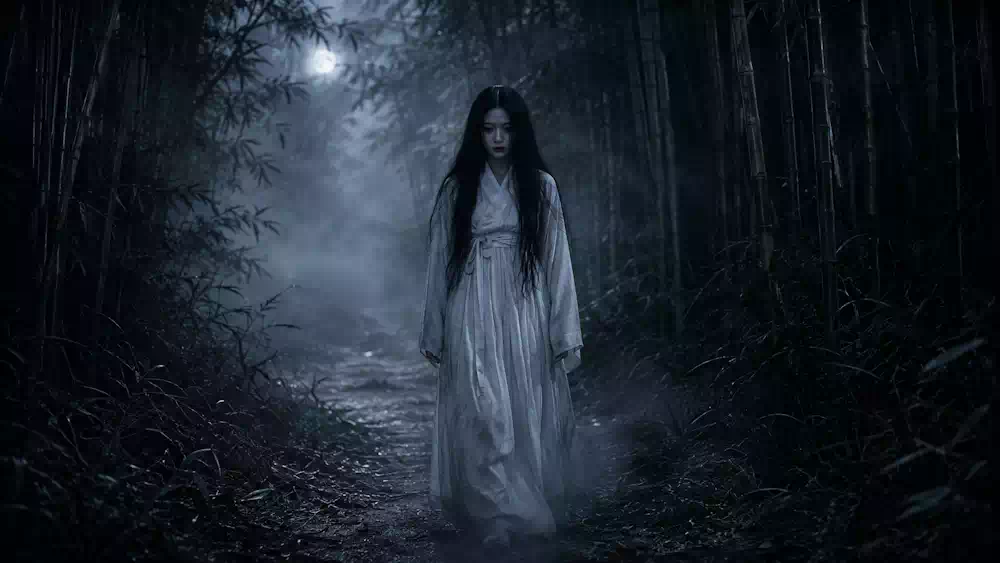
The most famous example of Korean Gwishin is the virgin spirit wearing white funeral attire. Her presence symbolises the social pressures and unfulfilled life milestones of historic Korea.
3.2. Facial Disfigurement and Water Spirits
Other legendary entities include faceless spirits born from forgotten graves and water ghosts seeking companions. These figures reflect deep societal fears of dying alone without proper family rites.
4. How Ancient Rituals Offer Peace and Solutions
4.1. Traditional Shamanic Healing Rituals
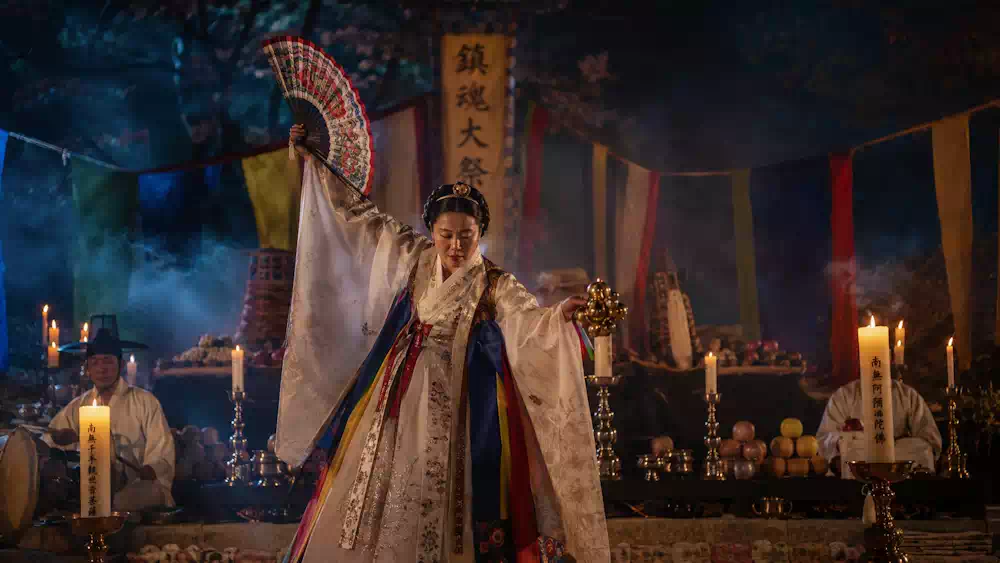
Koreans did not simply exorcise terrifying spectres with violence or holy water. Instead, traditional shamans performed sacred ritual dances designed to listen to the spirit’s tragic backstory. Exploring the National Folk Museum’s archive on traditional Korean ritual ceremonies shows how these sacred acts helped soothe aggrieved souls and restore harmony within the community.
4.2. Finding Peace through Modern Understanding
This ritualistic release of Han in Korean Culture helped both the living community and the dead find emotional closure. Resolving the ghost’s lingering grudge allowed the spirit to finally rest in peace.
5. Exploring Lore Through Modern Media and Travel
5.1. K-Horror and Drama Connections
Modern films and TV series draw heavy inspiration from these centuries-old spirit legends. Beyond horror, exploring iconic K-drama confession scenes and Korean romance culture reveals how deep emotional expressions shape all Korean storytelling genres. Watching these stories offers global audiences an authentic window into traditional Korean views on mortality.
5.2. Experiencing Authentic Cultural Traditions
Visiting historical sites in Seoul or reading folklore archives reveals how deep these beliefs run. Experiencing these traditions firsthand helps travellers appreciate the emotional depth of Korean Gwishin.
6. Persistent Shadows of Korean Lore
Korean ghost lore is far more than jump scares; it is a profound reflection of human emotion and cultural memory. These spirits remind us that lingering grief deserves empathy and understanding rather than fear.