
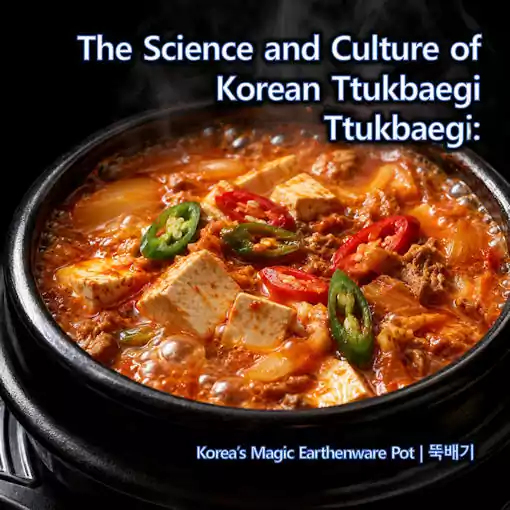
Have you ever wondered why Korean stews stay bubbling hot until the very last bite? The secret lies in traditional Korean Ttukbaegi cookware. This iconic vessel has transformed Korean Clay Pot Cooking into a art form that nourishes both body and soul.
1. What Is a Ttukbaegi?
The Korean Ttukbaegi is a coarse earthenware pot made from natural clay. Potters bake it at high temperatures to create a sturdy frame. It features tiny pores that allow heat to spread gently across the surface.
This breathable nature helps ingredients retain their deep flavors during long sessions of Korean Clay Pot Cooking. You will find these dark brown pots in almost every household and restaurant across Korea.
1.1. Natural Clay Materials
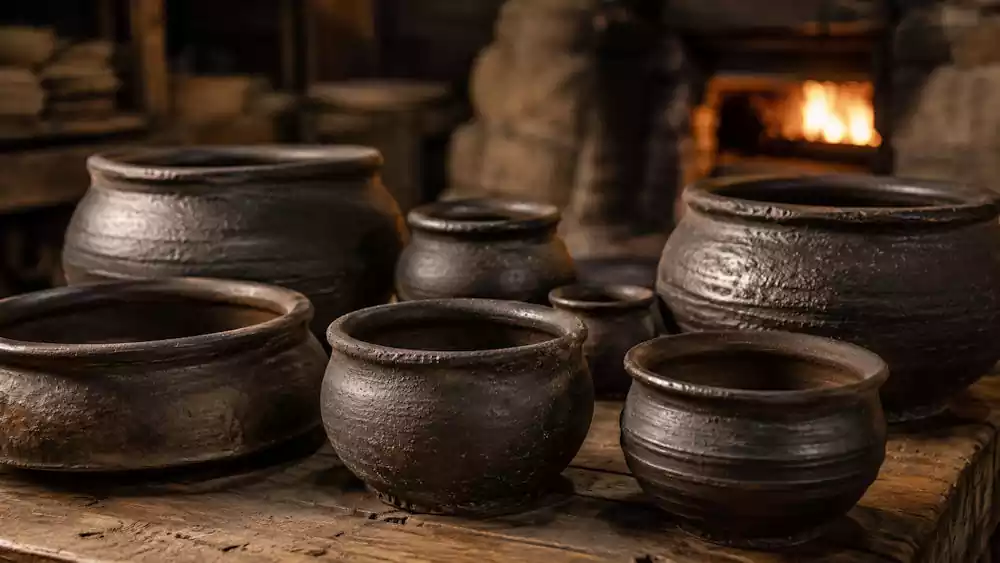
Local potters harvest rich clay filled with natural minerals. They shape each bowl by hand before firing it in traditional kilns.
1.2. Breathable Micro-Pores
The clay body contains microscopic air pockets. These pores insulate the food while letting the steam release evenly.
2. The Hidden Science of Heat Retention
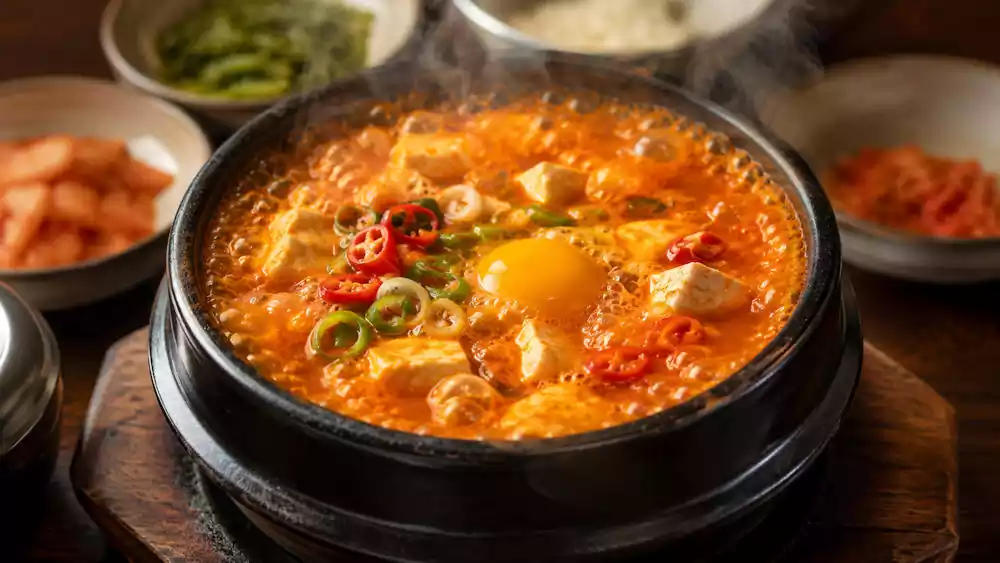
The primary magic of Korean Ttukbaegi rests in its incredible thermal mass. Understanding the thermal properties of earthenware clay explains why these vessels retain warmth so much longer than metal pans.
Even after you turn off the stove burner, your soup keeps simmering at the dining table. This gradual temperature shift prevents delicate broils from scorching or losing moisture quickly.
2.1. Thermal Mass Mechanics
Thick earthenware walls store energy efficiently. The retained energy cooks raw ingredients smoothly without burning them.
2.2. Constant Table Simmering
Your meal stays piping hot throughout your entire dinner. You do not need portable stoves to keep soups warm.
3. Cultural Roots of the Earthen Bowl
In Korean culture, food is deeply tied to warmth and hospitality. Serving a meal in a hot pot shows respect and affection to guests.
Having prepared traditional family meals in Seoul for over two decades, I have seen how these pots foster connection around the table. The warm pot sits in the center of the table for everyone to share together.
3.1. Symbol of Warmth and Jeong
Sharing a bubbling stew creates an atmosphere of closeness. It reflects the Korean concept of Jeong, or deep attachment—a cultural warmth that stands in contrast to deeper emotional themes like Han in Korean culture and traditional folklore.
3.2. Hearty Comfort Food Classics
Famous stews like kimchi jjigae and doenjang jjigae rely on these vessels. The clay enhances the rich umami taste.
4. The Problem with Unsealed Clay Pots
Many beginners face issues when they first buy a raw clay pot. Unsealed earthenware can absorb soap water or crack under sudden temperature shifts.
If you wash your pot with dish detergent, the soap seeps into the microscopic pores. The next time you heat the bowl, that soap leaches back into your soup.
4.1. Detergent Absorption Risk
Chemical soap lodges inside porous clay walls easily. Heating the vessel later releases those soapy residues into your meal.
4.2. Thermal Shock Cracks
Placing a cold pot on high heat causes structural stress. Rapid temperature leaps can split the earthenware instantly.
5. How to Care for Your Earthen Cookware
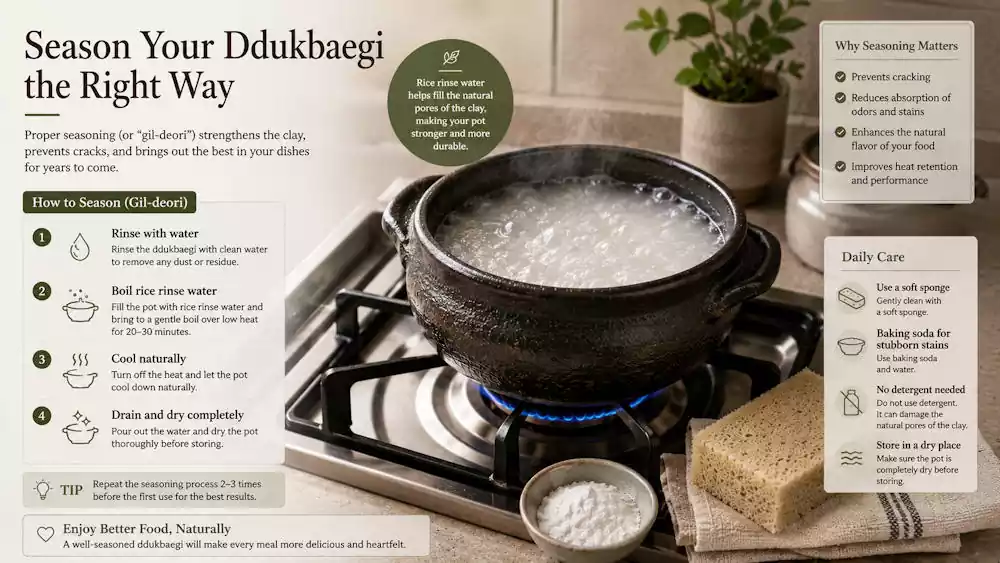
To solve these issues, you must season your pot properly before its first use. Fill the bowl with rice water and simmer it over low heat for fifteen minutes.
The starch seals the pores and prevents food juices from soaking into the walls. When cleaning, use baking soda or lukewarm water instead of chemical soaps.
5.1. Rice Water Seasoning Method
Rice starch acts as a natural sealant for raw clay. Boil rice water inside to strengthen the ceramic body.
5.2. Soap-Free Cleaning Habits
Rinse your bowl with warm water and a soft sponge. Use baking soda or flour paste for stubborn grease stains.
6. Mastering Recipes at Home
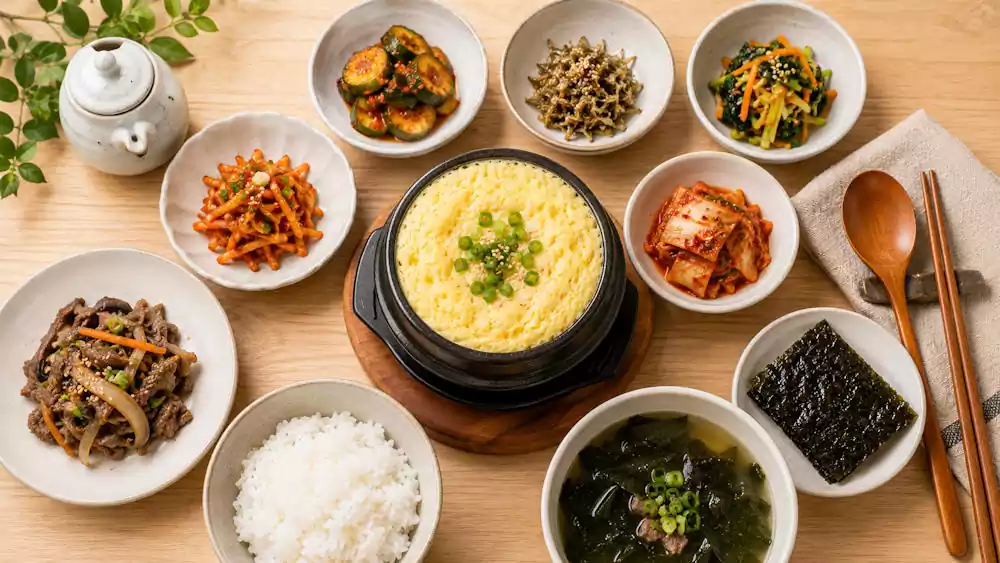
Once your bowl is seasoned, you can explore various recipes easily. Traditional Korean Clay Pot Cooking works wonderfully for stews, braised meats, and savory egg custards.
Start with low heat to warm the base evenly. Slowly raise the temperature as your ingredients release their natural juices.
6.1. Steamed Egg Custard (Gyeran-Jjim)
Whisk eggs with broth inside the pot directly. Cover and cook on low heat for a fluffy texture.
6.2. Rich Fermented Soybean Stew
Simmer soybean paste with tofu and vegetables. The clay smooths out harsh salty flavors over time.
7. Choosing the Right Earthenware Today
Modern manufacturers produce glazed and unglazed options for home cooks. Glazed versions resist stains while unglazed ones deliver authentic earthy aromas.
If you enjoy Korean Clay Pot Cooking, look for lead-free certified products with thick bases. A quality vessel will last for generations with simple care.
7.1. Glazed vs. Unglazed Options
Glazed pots offer easy daily maintenance for beginners. Unglazed pots offer traditional flavor enhancements for experts.
7.2. Safe Purchasing Tips
Check for non-toxic certification labels on imported ceramics. Ensure the bottom surface rests flat on your stovetop.
8. The Eternal Warmth of Korean Cookware
The humble clay bowl remains a timeless icon of Korean culinary heritage. It bridges ancient pottery wisdom with modern home kitchens.
As you listen to the gentle bubbling at your table, you taste more than just food. You experience a centuries-old tradition that keeps both your meal and your heart warm.