
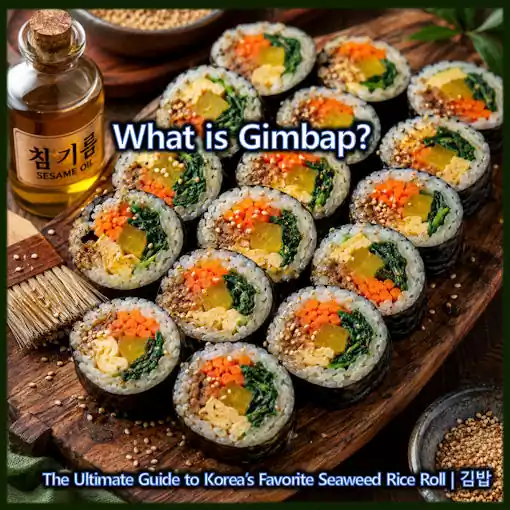
Have you ever spotted a colorful roll in a K-drama and wondered what it was? It looks like sushi, but its warm, savory scent tells a different story. If you are asking What is Gimbap, you are about to discover Korea’s favorite comfort food. Known globally as Korean Seaweed Rice Rolls, this iconic dish packs incredible flavors into every bite. Growing up in Seoul, I packed these delicious rolls for every field trip and picnic. Let me share why this humble meal captured hearts worldwide.
1. What is Gimbap? The Authentic Korean Roll
Many travelers mistake this iconic dish for Japanese sushi at first glance. However, the core identity of this meal is entirely unique. White rice is seasoned with fragrant toasted sesame oil rather than vinegar. The roll is filled with cooked vegetables, savory meats, and pickled radish. Everything is rolled tightly in dried laver seaweed and sliced into bite-sized circles. It offers a cozy, home-cooked flavor that defines Korean comfort food.
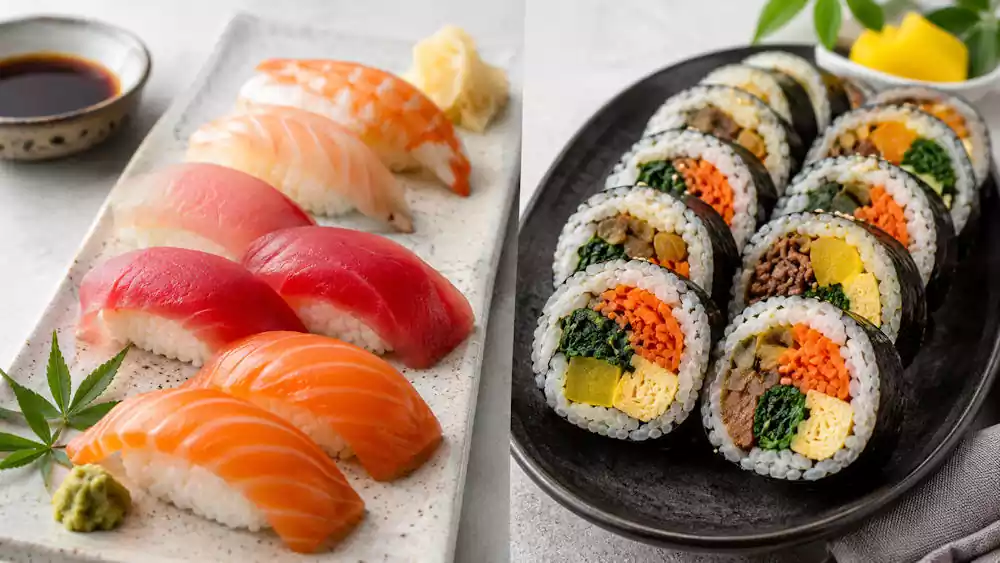
2. Gimbap vs. Sushi: Key Differences You Must Know
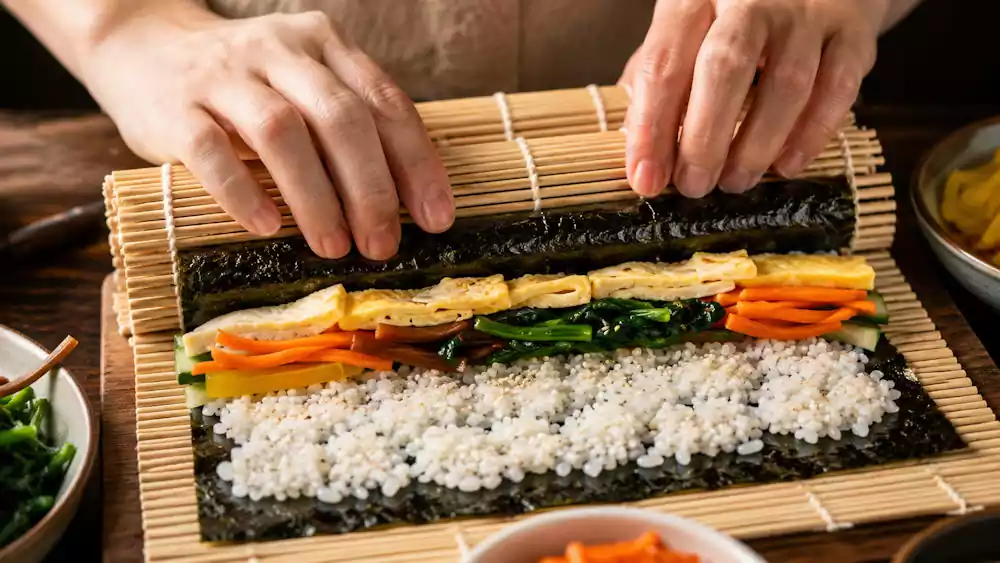
Understanding the contrast between these two popular Asian rolls helps you appreciate both traditions better.
2.1. The Rice and Seasoning
Sushi relies on vinegared rice for a sharp, tangy backdrop. In contrast, Korean Seaweed Rice Rolls use warm sesame oil and a touch of salt. This gives the rice a subtle nutty richness.
2.2. The Fillings and Preparation
Sushi typically highlights fresh raw fish and simple vegetables. Meanwhile, What is Gimbap if not a celebration of fully cooked, savory fillings? Popular options include bulgogi, sweet egg strips, sautéed carrots, and crunchy yellow radish.
3. Common Mistakes First-Timers Make (and How to Avoid Them)
Trying this dish for the first time can occasionally lead to minor confusion at local eateries.
3.1. Eating Cold Rolls
Many tourists expect cold rolls like traditional sushi. Eating cold rolls directly from a fridge ruins the soft texture of the rice. Always ask for fresh rolls at room temperature for the best taste.
3.2. Dip Confusion
Another mistake is dipping your roll into soy sauce and fiery wasabi. Traditional rolls are already perfectly seasoned during preparation. Dipping them overwhelms the balanced flavors carefully cooked into each bite.
4. Popular Variations You Should Try
Korea offers an exciting variety of rolls catering to every taste preference.
4.1. Classic Vegetable and Meat
Tuna with mayonnaise and perilla leaves remains a massive local favorite. Spicy pork bulgogi and cheese versions are equally popular choices for quick lunches.
4.2. Plant-Based Options
If you avoid meat, vegetarian versions featuring sweet braised burdock root and fried tofu are widely available. These plant-based Korean Seaweed Rice Rolls offer fantastic texture without sacrificing traditional taste.
5. Where to Find and How to Order
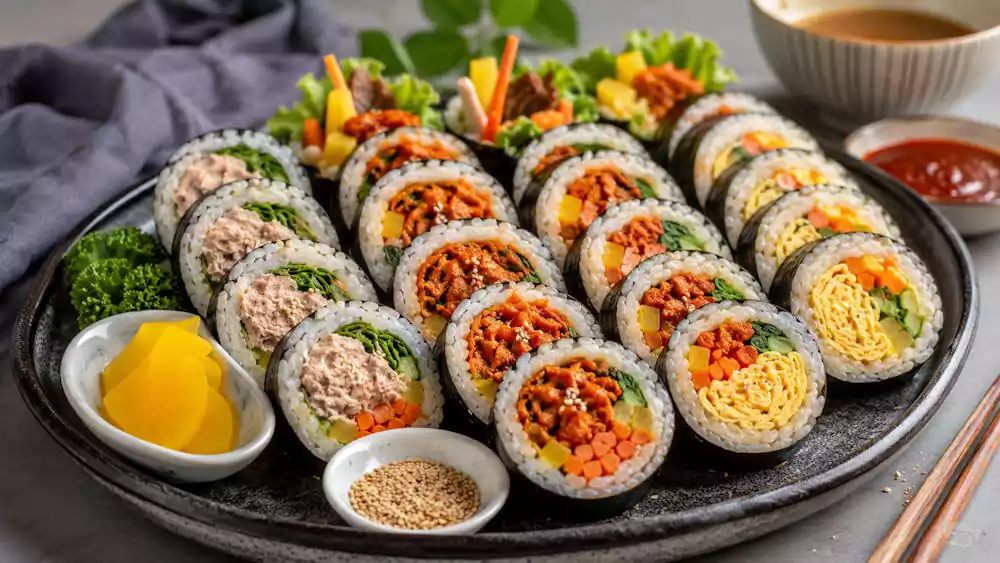
Finding a fresh meal in Korea is simple and fun.
5.1. Spotting Local Shops
Look for street vendors or popular neighborhood casual diners called bunsikjip. You will often see a chef rolling fresh orders right near the front window. If you want a hands-on culinary experience, you can also book guided local Seoul food tours on GetYourGuide to explore traditional markets with an expert.
5.2. Ordering with Confidence
Simply point to the menu or say the classic names clearly. Ordering Korean Seaweed Rice Rolls with a bowl of hot tteokbokki creates the ultimate street food pairing.
6. Pairing Suggestions for a Full Korean Meal
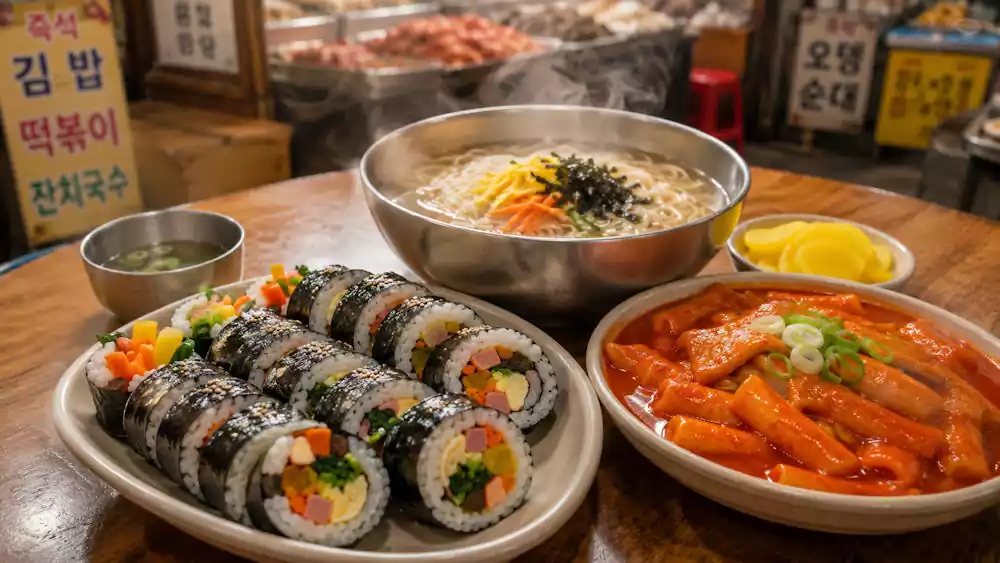
Enjoying your roll with complementary side dishes elevates the entire culinary experience. Dip your slice into sweet and spicy tteokbokki sauce for a classic local pairing. A side of hot fish cake broth adds comforting warmth on cooler days. If you enjoy warm broth, pair your roll with classic Korean noodle dishes like Janchi Guksu for a truly traditional comfort meal. These simple combinations deliver a complete taste of modern Korean food culture.
7. A Tasty Journey Worth Taking
Every slice tells a rich story of home, family picnics, and vibrant Korean food traditions. Now that you know What is Gimbap, your culinary adventure is ready to begin. Step into a local eatery, order a fresh roll, and savor a warm, satisfying bite of authentic Korean culture.