
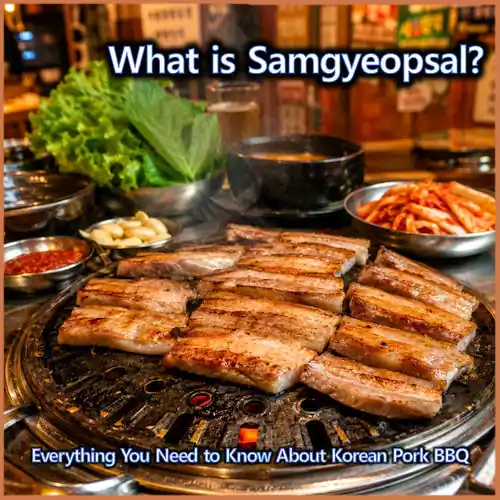
Imagine sitting around a sizzling grill with friends while the rich aroma of grilled pork fills the air. This is Samgyeopsal, the beating heart of Korea’s vibrant dining culture and the ultimate Korean Pork BBQ experience. As a local writer who has spent decades enjoying family dinners over hot grills in Seoul, I will guide you through this delicious cultural phenomenon.
1. The Anatomy of Samgyeopsal: More Than Just Meat
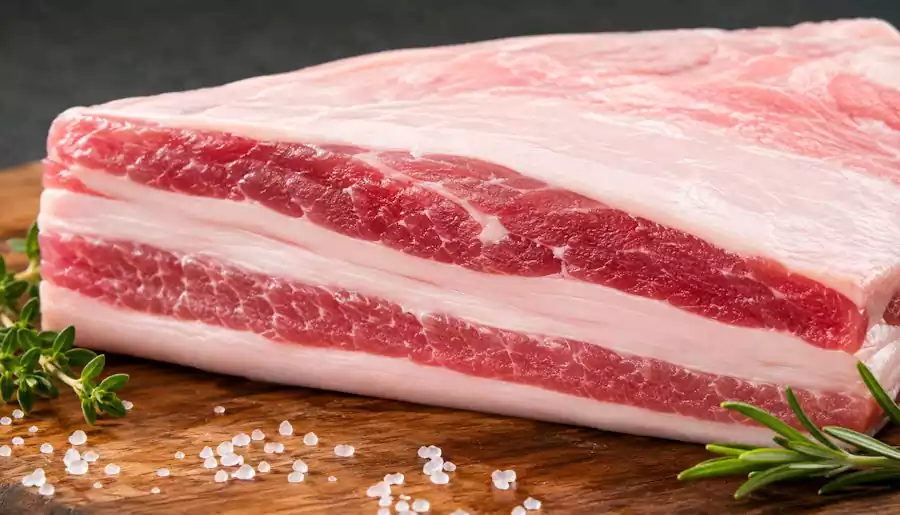
To truly understand this dish, we must look at what makes it unique compared to other cuts. The word translates literally to “three-layered flesh,” referring to the distinct striations of lean meat and rich fat. This specific cut comes from the belly of the pig and offers a textures that you cannot find in leaner meats.
1.1 The Perfect Cut and Thickness
Locals prefer a thickness of about 0.5 to 1 centimeter for optimal grilling. This specific thickness ensures the outside gets beautifully crispy while keeping the inside tender and juicy. Some modern trendy restaurants offer much thicker cuts, but the classic medium slice remains the favorite for easy backyard or tabletop cooking.
1.2 Why Fat Layers Matter
The alternating layers of fat are absolutely essential for the flavor profile. As the meat grills right at your table, the fat melts and infuses the meat with an incredible depth of flavor. It is this exact natural balance that prevents the pork from becoming dry during the high-heat cooking process.
2. The Cultural Significance of Korea’s Ultimate Soul Food
This dish is far more than just a quick weekday dinner to satisfy hunger. For Koreans, gathering around a hot grill is a meaningful social ritual that fosters deep human connection and slashes daily stress. As a local writer who grew up in Seoul, I can assure you that this meal represents the comforting hospitality of Korean food culture.
2.1 A True Social Catalyst
It is the absolute default choice for company dinners, university gatherings, and casual family reunions. The shared act of cooking and eating food from a single central grill breaks down social barriers incredibly quickly. It creates an intimate, lively environment where everyone participates in the meal preparation.
2.2 The Unique Psychology of the Grill
In Korea, grilling a perfect slice of meat for someone else is a genuine sign of affection and respect. Friends often take turns managing the fire to ensure everyone gets a perfectly cooked piece without trouble. This mutual care is what makes the dining experience feel incredibly warm and communal.
3. The Essential Table Setup: Banchan and Sauces
When you sit down at a traditional restaurant, the table is quickly filled with numerous small side dishes called banchan. Each item is chosen intentionally and plays a specific role in balancing the richness of the pork.
3.1 Ssamjang: The Essential Dipping Paste
This thick, savory sauce is made by mixing fermented soybean paste with spicy red pepper paste, minced garlic, and sesame oil. It adds a powerful punch of umami to every single bite and ties all the elements together. You will always find a small bowl of this green-packaged paste at every single table.
3.2 Garlic, Onions, and Aged Kimchi
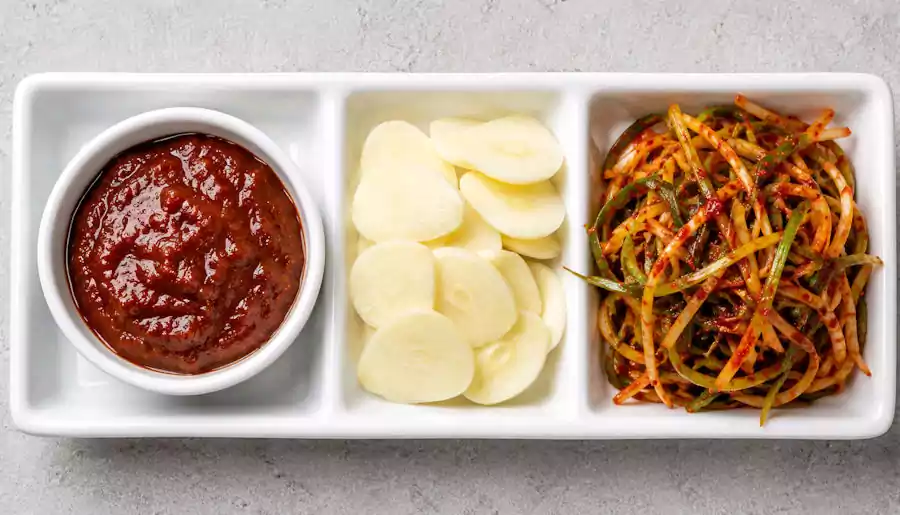
Raw garlic slices, pickled onions, and well-aged kimchi are always placed on the table side. Experienced diners immediately slide these items onto the bottom of the tilted grill so they can slow-cook in the rendered pork fat. This creates a completely new flavor profile that cuts through the greasiness.
4. Master the Art: How to Eat Samgyeopsal Like a Local
Eating this meal properly requires a specific, time-tested technique. It is an interactive, step-by-step process that allows you to customize every single bite according to your personal taste.
4.1 The Structural Construction of a Ssam
First, place a fresh, clean lettuce or aromatic perilla leaf flat in your palm. Dip a piece of hot grilled meat into the savory sauce and place it right in the center of the green leaf. You can layer multiple leaves if you prefer a crunchier texture.
4.2 The Golden Rule of One Bite
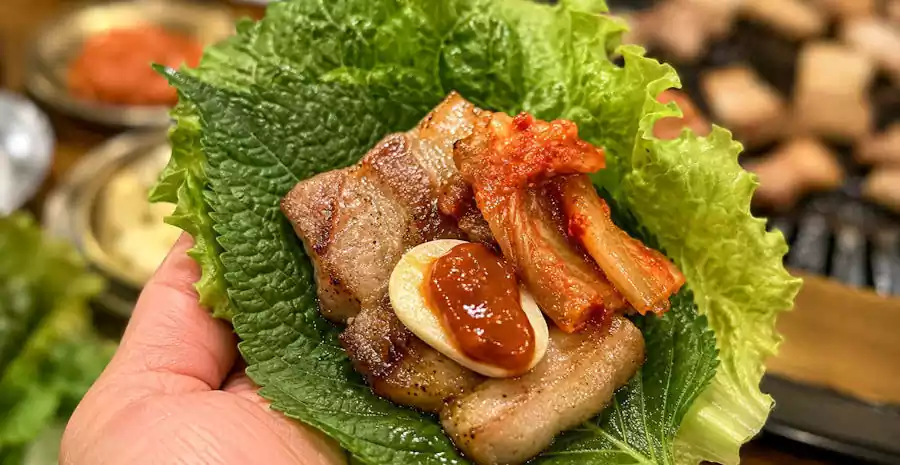
Add a piece of grilled garlic and some seasoned scallions to the bundle. Fold the leaf into a neat, compact parcel and pop the entire piece into your mouth at once. Biting a wrap in half is considered a major amateur mistake because the delicious juices will escape and create a mess.
Mastering this technique will instantly earn you nods of approval from your Korean dining partners. To prepare yourself fully before heading out to a restaurant, it is highly recommended to review this comprehensive guide on traditional Korean dining etiquette, which covers everything from chopstick rules to drinking manners with elders.
5. Common Mistakes Beginners Make at the Restaurant
Visiting a traditional restaurant for the very first time can feel slightly overwhelming with all the smoke and noise. Understanding basic table etiquette will help you avoid awkward situations and eat like an expert.
5.1 Flipping the Meat Too Often
Moving the pork around constantly prevents it from developing a nice, deep caramelized crust. Let the meat sear properly on one side until golden brown before flipping it over to the other side. Patience is key to achieving that perfect texture.
5.2 Neglecting the Grill Temperature
If the grill surface is too cold, the meat will steam in its own moisture instead of searing beautifully. Always wait until you hear a loud, sharp sizzle before dropping the pork onto the hot cooking surface. If the fire gets too hot, simply move the cooked pieces to the outer edges.
6. Advanced Dining Tactics: The Epic Finale
The dining experience does not simply end when the raw pork runs out. Koreans always transition to a secondary, savory course to cleanse the palate and completely satisfy their appetite.
6.1 The Ultimate K-Dessert: Fried Rice
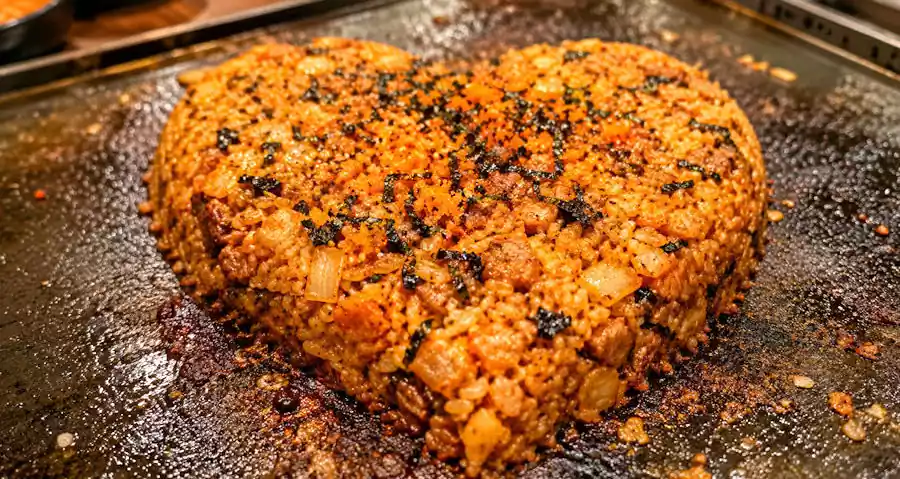
Do not eat all your meat during the main round; always leave a few pieces on the grill. The server will chop them up with white rice, seaweed flakes, sesame oil, and spicy sauce to create a legendary fried rice right on the hot plate.
6.2 Tangy Cold Noodles
Alternatively, you can order a bowl of ice-cold buckwheat noodles served in a tangy broth. Wrapping a hot piece of remaining pork around the cold, refreshing noodles provides an incredible temperature contrast that resets your palate instantly.
6.3 The Next Round: K-BBQ vs. Chimaek
If you want to experience the full spectrum of Korean nightlife after finishing your grill feast, your culinary journey shouldn’t stop here. While pork belly dominates the dinner hours, the late-night crown belongs to another legendary pairing. You can explore how crispiness meets culture by checking out this guide on Korean Fried Chicken and Chimaek, which perfectly complements the social dining vibe you just experienced.
7. Finding Your Perfect Korean Pork BBQ Experience
Every restaurant across the country offers a slightly different atmosphere and cooking style. You can choose your dining spot based on your personal mood and preferences for the evening.
7.1 Charcoal vs. Gas Grill Options
Charcoal adds a distinct smoky backyard flavor to the meat, which many purists absolutely love. On the other hand, gas grills offer much better temperature control and less overwhelming smoke. Both methods have passionate fans and offer great results.
7.2 Premium Pork and Modern Trends
Many modern spots now feature dry-aged pork sourced from specialized Jeju Island black pigs. These premium, thick-cut variations offer an even deeper flavor profile and a unique chewiness for adventurous food lovers looking for a luxury twist.
8. Bring the Samgyeopsal Experience Home
If you cannot visit Korea immediately, you can easily recreate this lively atmosphere in your own kitchen with a few basic tools. It is a fantastic way to host an interactive dinner party that your guests will talk about for weeks.
8.1 Essential Hardware for the Table
To get started, you do not need an expensive built-in setup. You will only need a reliable portable gas stove and a specialized non-stick grill pan, which usually features a clever tilted design with a grease drain hole at the bottom. Do not forget to place a small cup underneath the drain to catch the rendering fat, and ensure your windows are wide open since good ventilation is absolutely mandatory for this indoor cooking project.
8.2 Sourcing Authentic Ingredients
Your next stop should be a local Asian or Korean supermarket to gather the right supplies. Look for pre-sliced pork belly in the meat section, ensuring the slices have a good balance of lean meat and creamy fat layers. Pick up a tub of green-labeled savory dipping paste, fresh lettuce, and aromatic perilla leaves, which will instantly make your home-cooked meal taste completely authentic.
9. Conclusion: A Sizzling Memory
Samgyeopsal is much more than a simple meal; it is an unforgettable sensory journey. The cheerful clinking of glasses, the rhythmic sizzle of the hot iron, and the warm laughter of friends create a unique atmosphere that stays with you long after the fire dies down. When you finally sit before that hot grill, you are not just tasting a classic Korean Pork BBQ staple – you are stepping directly into the warm, welcoming soul of Korea.