
Have you ever found yourself weeping during a completely silent scene in a Korean show? This heavy, lingering tension defines K-drama emotional depth. Understanding K-drama hidden meanings transforms how you watch these powerful stories. To appreciate K-drama emotional depth more fully, you need to look beyond the plot and notice the cultural emotions hidden beneath the surface. Let’s unlock the secrets behind the screen.
1. The Core of Korean Emotion: Exploring Han
Korean storytelling has a unique emotional foundation. One useful way to understand K-drama emotional depth is through the Korean concept of Han (한). It is a complex feeling of deep sorrow, unfulfilled desire, and historical injustice. This emotion does not always explode into anger. Instead, it sits quietly in the chest and grows heavier over time.
1.1. Why Silence Speaks Louder Than Words
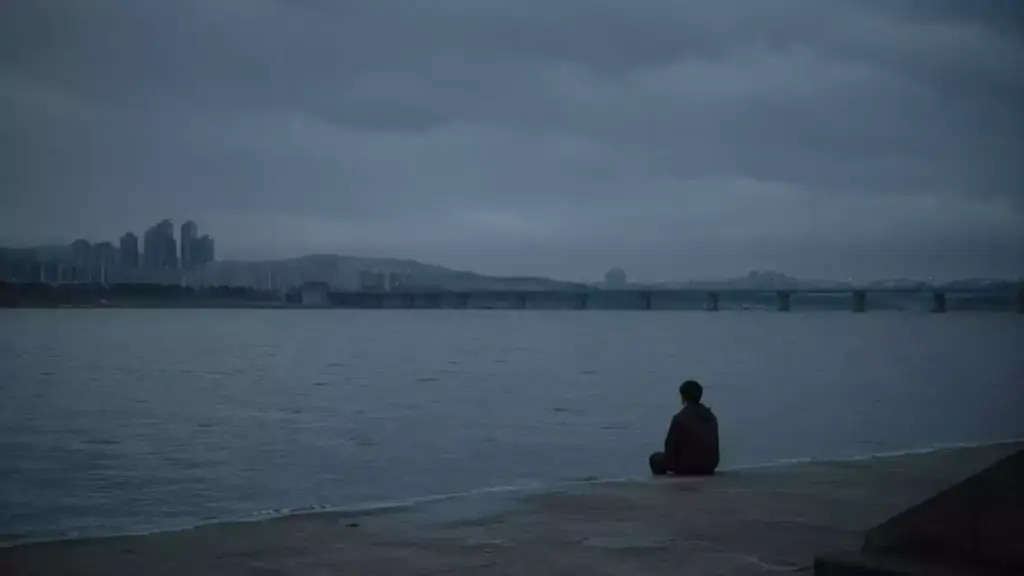
Many Western shows rely on fast action or witty dialogue to move the plot forward. Korean directors often do the opposite by using long, quiet pauses. When a character sits in a room alone, the camera lingers on their face. This specific silence reveals K-drama hidden meanings without using any dialogue. It also makes K-drama emotional depth feel more personal because the audience is forced to sit with the character’s pain.
1.2. Building a Deep Connection with Viewers
Because the pacing is slow, you have time to notice small details. You see a character hold their breath or swallow their tears. Having analyzed global media trends and Korean cultural consumption for over five years, I have noticed how this deliberate slowness builds trust. This unique pacing is why the eventual happy moments feel so earned and rewarding.
2. Social Pressures: Family, Duty, and Heartbreaking Sacrifice
The intense conflict in these stories rarely comes from simple villains. Instead, the pressure often comes from society, family obligations, and deeply rooted traditions. These external forces create a high-stakes environment where every personal choice carries immense consequences. This is one reason K-drama emotional depth often feels so heartbreaking even during ordinary conversations.
2.1. The Heavy Burden of Filial Piety
A major pillar of Korean society is Hyo (효), or filial piety. This means showing deep devotion and respect to one’s parents. Characters frequently give up their own dreams, careers, or true loves to honor their family’s wishes. This specific conflict adds incredible weight to the narrative. It explains why a simple conversation with a parent can feel like a matter of life and death.
2.2. The Pain of Loneliness and Social Duty
When characters fail to meet social expectations, they often isolate themselves. These scenes often reflect the tension between personal loneliness and social expectations in modern Korean life. A slow scene of a character eating noodles alone in a cramped room is not just about hunger. It represents a profound, quiet battle against crushing loneliness and social failure.
3. Unspoken Language: Decoding Everyday Cultural Gestures
To fully appreciate the narrative, you need to recognize everyday social behaviors. Korean culture relies heavily on non-verbal communication. These physical actions carry deep respect, hidden romantic feelings, or painful goodbyes that are rarely spoken out loud.
3.1. Respectful Drinking Manners
Watch closely when characters share a drink. When pouring a beverage for an elder or a superior, a character will often use two hands. Furthermore, when they take a sip, they may turn their head away from the older person. This reflects yeui (예의), the broader Korean concept of manners and respect. If a character ignores these rules, it can immediately signal extreme distress, emotional distance, or rebellion against authority.
3.2. The True Meaning Behind Food
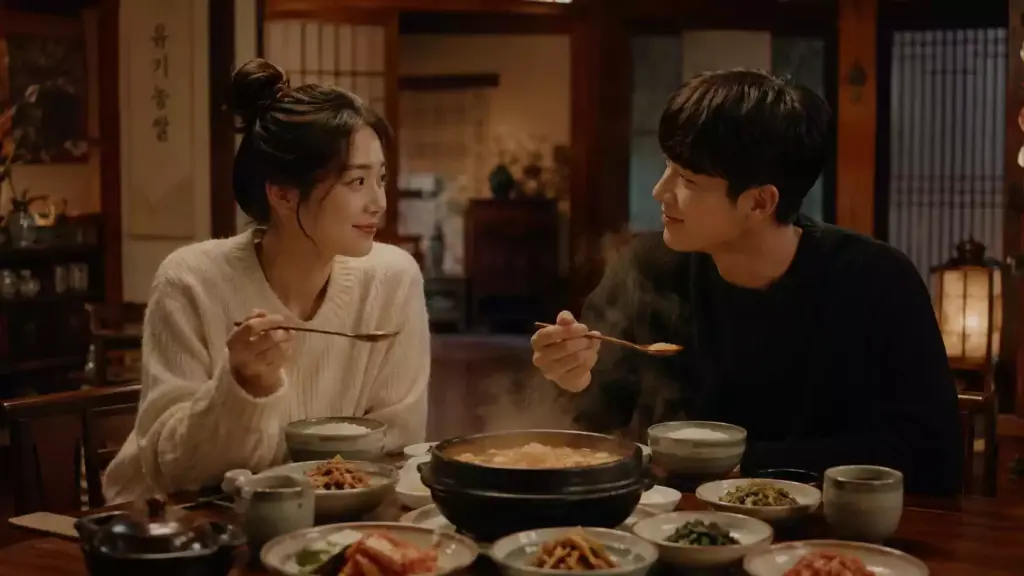
In Korea, food is often used as a love language. Characters rarely say “I love you” directly. Instead, they may ask, “식사하셨어요?” (Siksa hasyeosseoyo?), which means “Have you eaten?” When a mother leaves a warm home-cooked meal on the table, it can become a profound declaration of care. Seeing a broken character finally eat a warm bowl of soup often signals the true beginning of emotional healing. To understand this deeper, you can explore how K-drama food and Korean food culture are deeply intertwined in these iconic dining scenes.
4. Production Secrets: How Music and Symbols Create Tension

The technical side of production works hard to enhance the story’s mood. Directors use specific audio and visual tools to signal shifts in the narrative. These elements prepare your mind for a big emotional payoff long before the actors speak.
4.1. The Power of the Original Soundtrack
Korean dramas are famous for their carefully curated OSTs, or Original Soundtracks. These songs are not just background noise. Specific tracks are often tied to certain characters, memories, or tragic past events. When the first few notes of a sad ballad play during a slow walking scene, it instantly triggers your memory. This musical cue strengthens K-drama emotional depth because the viewer remembers not only the scene, but also the emotional history behind it.
4.2. Recurring Symbols in Quiet Scenes
Symbolism is everywhere in these shows. A shared yellow umbrella during a sudden rainstorm often represents protection and a growing romantic bond. A specific flower left on a bench might symbolize a hidden promise. These recurring items contain K-drama hidden meanings that reward attentive viewers. They make static, slow-paced scenes feel incredibly rich and meaningful.
5. Practical Tips for Ultimate Binge-Watching
If you want to maximize your viewing experience, you need to change how you watch. Rushing through episodes will cause you to miss the best parts of the story. Follow these simple steps to fully appreciate the craft.
5.1. Put Away Your Smartphone
It is impossible to catch the subtle shifts if you are scrolling through social media. You need to look at the actor’s eyes, their posture, and the shifting shadows in the room. The real magic happens in the blank spaces between the lines of dialogue. Give the show your full, undivided attention.
5.2. Pay Attention to Visual Lighting
Directors use lighting to tell a parallel story. Warm, golden light often appears during moments of temporary safety or nostalgic memories. Cold, blue tones dominate scenes of harsh reality or deep isolation. Recognizing these visual patterns will help you uncover more K-drama hidden meanings on your own.
6. The Global Resonance: Why These Stories Matter
The global success of these shows proves that human feelings are universal. Even if you do not speak the language, the slow pacing allows you to connect with the raw human experience on screen.
6.1. A Universal Window Into the Soul
By slowing down the narrative, these shows capture the true complexity of human life. They remind us that our quietest moments are often our most significant ones. The focus on slow, deliberate suffering makes the final resolution deeply satisfying for viewers worldwide. In fact, standard reference guides on the history of Korean drama art and television emphasize how this emotional connectivity has allowed the genre to transcend geographical and cultural borders
7. Final Thoughts
Korean dramas offer more than just basic entertainment. In the end, K-drama emotional depth comes from silence, family duty, cultural gestures, music, food, lighting, and emotional restraint working together. These stories invite us to slow down, breathe, and feel every ounce of human experience. The next time you find yourself watching a long, silent scene, remember that the silence is speaking. Let the stillness wash over you, and enjoy the beautiful journey. Happy watching!