
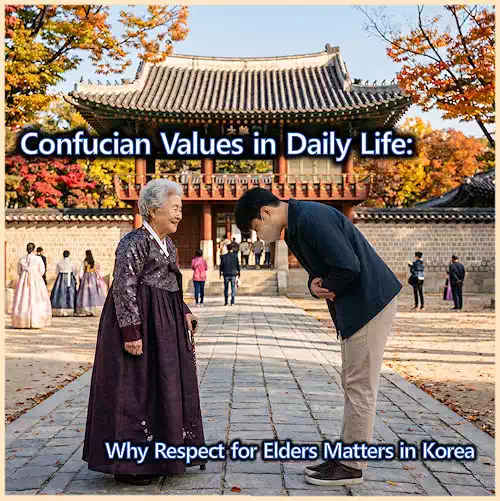
Have you ever seen younger people bowing deeply to seniors in Seoul? This behavior stems from deeply ingrained Korean social norms that might seem strange at first, but are actually rooted in centuries of tradition. As a local writer who grew up with these customs, I want to share the hidden reasons behind them – most of which are directly tied to the enduring influence of Confucian values in Korea.
1. The Deep Roots of Moral Duty
Filial piety is the ultimate foundation of Korean society. For centuries, Confucian values in Korea have taught that family harmony depends on respecting our ancestors and parents. This philosophical tradition values age and wisdom over individual desire.
1.1. The Legacy of Choson Philosophy
The Choson Dynasty established a rigid social hierarchy based on neo-Confucian ideals. Government structures and family rules mirrored each other perfectly. For a deeper historical context, you can read about how Korean Confucianism transitioned from a state philosophy into a foundational social fabric during the Choson Dynasty.
1.2. How History Shapes Today
Ancient philosophies do not simply stay in old textbooks. Having been born and raised in Korea my entire life, I observe daily how these historical principles still govern our interactions. Elders are treated with deep respect because they built the nation we enjoy today.
2. Unspoken Rules in Public Spaces
Many foreigners feel confused when they board a crowded Korean subway. You might see empty seats in designated areas, even when the train is packed with tired commuters. This is a visible manifestation of traditional ideals in the modern world.
2.1. The Sanctuary of the Subway
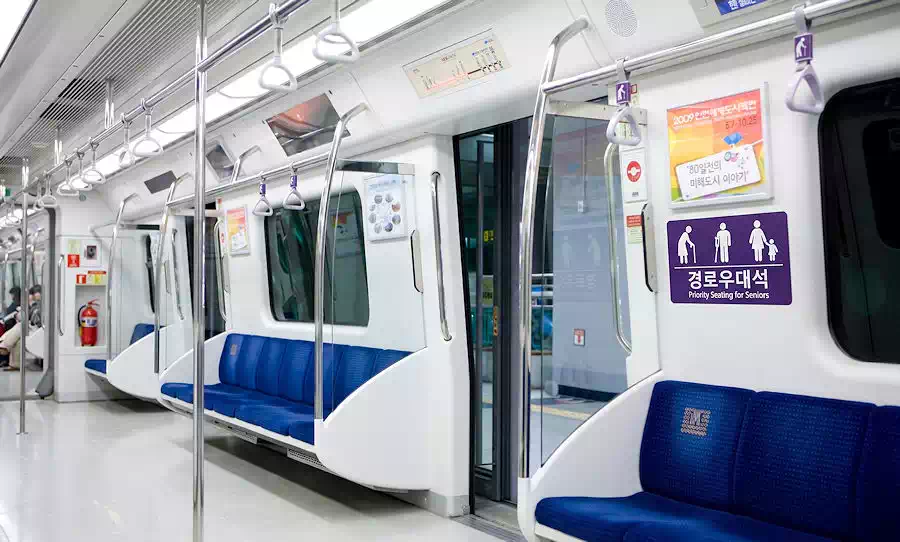
Subway cars have specific seats reserved for the elderly, pregnant women, and the disabled. Young people rarely sit there, even during rush hour. Leaving these seats open is one of the most prominent Korean social norms you will witness.
2.2. Language as a Tool of Respect
The Korean language has an intricate system of honorifics called Jondetmal. You must change your verbs and vocabulary depending on the age of the person you speak to. Using the wrong level of speech can cause serious misunderstandings.
3. The Invisible Thread of Community Care
Respect for seniors extends far beyond your immediate family members. It creates a unique social contract where strangers look after one another. This collective mindset transforms crowded cities into tight-knit neighborhoods.
3.1. The Concept of Jeong
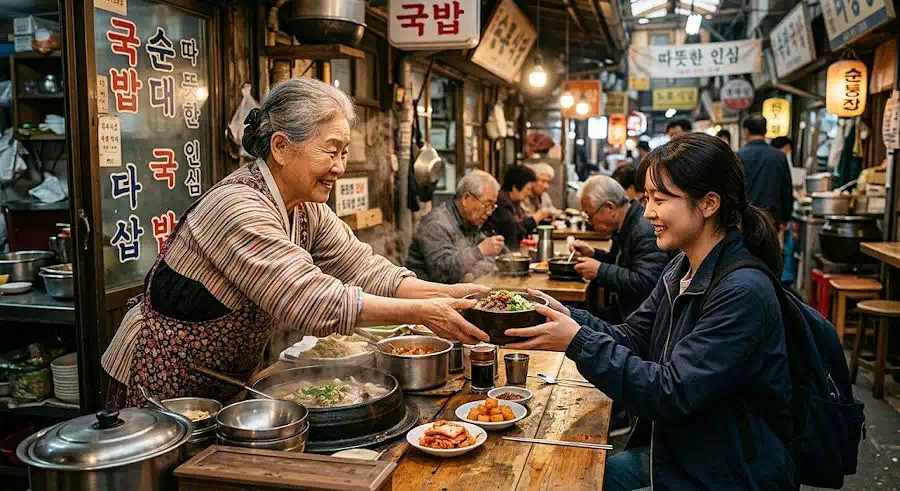
Jeong is a Korean word that represents deep affection, bonding, and mutual reliance. I remember an old grandmother running a small diner who saw me coughing and gave me a free bowl of hot soup. This warm emotion turns rigid Korean social norms into genuine acts of kindness. To understand this unique sentiment deeper, you can explore how this profound Korean emotional bond shapes daily interactions.
3.2. Caring for the Vulnerable
In local neighborhoods, younger residents frequently check on elderly neighbors who live alone. Local centers organize free lunch programs and community events for senior citizens. This collective care shows how Confucian values in Korea protect the vulnerable.
4. Navigating Intergenerational Gaps Today
Rapid economic development has created a massive cultural gap between generations. Young Koreans face intense competition in a globalized economy, while seniors remember harsher times. This friction requires careful balance from both sides.
4.1. The Conflict of Individualism
Modern youth value personal freedom and work-life balance more than their ancestors did. They sometimes feel burdened by traditional hierarchies in offices and families. Balancing personal identity with collective Korean social norms is a constant challenge.
4.2. Finding Middle Ground
Despite these changes, the core principles of mutual respect remain intact. Companies are modernizing their office cultures while maintaining polite boundaries. Families find new ways to honor traditions without restricting the freedom of younger members.
5. Practical Etiquette for Modern Visitors
When traveling around the country, you do not need to be an expert in philosophy. Locals understand that foreigners are still learning the culture. However, making a small effort to follow local customs shows immense respect.
5.1. Table Manners to Remember
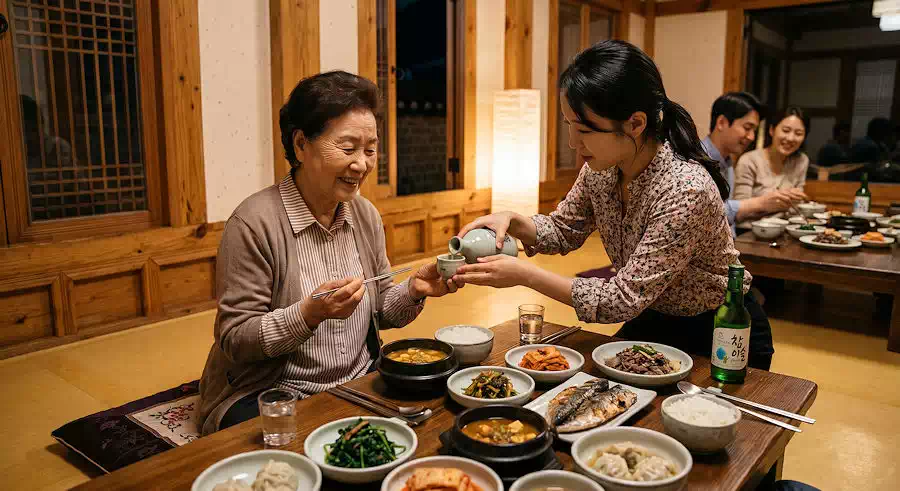
When eating with older individuals, wait for them to lift their chopsticks first. Use two hands when pouring or receiving a drink from a senior. These simple actions reflect ancient Confucian values in Korea and win the hearts of locals.
5.2. Handling Public Interactions
Once, a foreign friend of mine picked up a heavy bag for a struggling elder on the street, and the elder smiled warmly, patting his arm. Give up your seat on public buses if you see a senior standing near you. Following these basic Korean social norms will make your journey much smoother.
6. Embracing the Warmth of a Connected Society
Understanding these customs opens a door to the true heart of the peninsula. What looks like rigid rules from the outside is actually a deep system of mutual care. By respecting the elderly, you participate in a beautiful, living tradition.
6.1. A Lesson in Collective Belonging
In a world that often celebrates isolation, this culture reminds us of our connection to others. The deep reverence for past generations creates a stable anchor for the future. It teaches us that no individual thrives entirely alone.
6.2. Carrying the Spirit Forward
As you walk through the historic streets of Seoul, look beyond the neon lights. Notice the gentle bows, the shared meals, and the quiet respect offered to seniors. These timeless Korean social norms invite you to experience a deeply connected life.